
Tea and Herbs
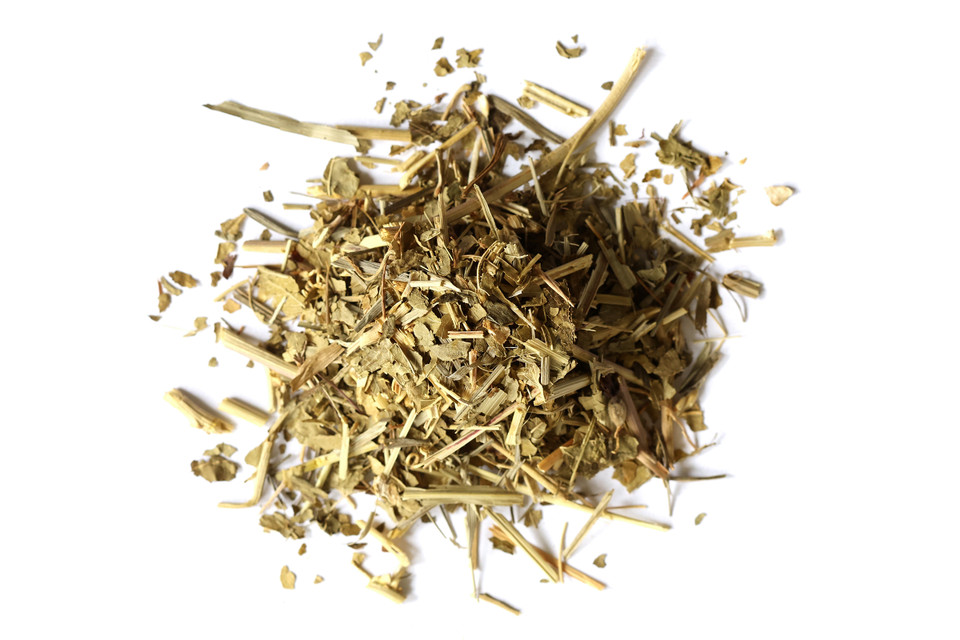
Passionflower
$8.002 oz
Passionflower is cooling to the body, calming to the mind, and soothing to the spirit. It quells disquietude, calms the ruminating mind, and can promote natural relaxation and helps in coping with stress.* This plant is gentle yet profound. It can be administered as a soothing tea for children or the elderly and can help to calm a restless mind. Other common names include apricot vine, maypop, and wild passionflower. P. incarnata, in the Passifloriaceae family is a perennial climbing vine with generally 3 lobed, palmate leaves sporting, according to the late herbalist Michael Moore, “complicated but comely flowers.” Indeed, the flowers are quite striking, flamboyantly displaying five stamens and three stigmas which “protrude from the flower’s center like the antennae of a spaceship” writes Steven Foster. Further, there are five petals and sepals, and a collar of threadlike, frilly, lavender colored, coronal filaments. One begins to see where the “passion” came from…however, actually, the name has more virtuous origins. The story goes that in 1569, in Peru, a Spanish doctor, Nicolas Monardes ‘discovered’ this plant. It eventually made it into the hands of Spanish missionaries who saw the flower as a physical representation of the crucifixion of Christ. The three stigmas represented the ‘nails of crucifixion’, the coronal filaments were the ‘crown of thorns’, the five stamens were the wounds, and the ten sepals were representative of ten of the disciples (Judas and Peter got left out due to their overall poor behavior). Thus, this flower was used as a teaching tool, to tell the story of Christ to the indigenous people. P. incarnata is native to the Southeast of the United States ranging south from Virginia to Florida and as far west as Texas, Mexico and Central and South America. This vine grows in relatively poor sandy soil and prefers full sun and a trellis or fence to wrap itself around. It often grows in disturbed areas and, in spite of its majestic appearance and usefulness, considered a weed. There are a multitude of species, over 500 in fact, many of which are native to the Americas. One such species P. edulis, is the tasty tropical “passion fruit” which is eaten as a fruit and made into juice in Mexico and south to its native stomping grounds in Brazil and neighboring countries. It is used as a common flavoring in the United States. Several other species such as P. foetida, P. Mexicana, and P. tenuiloba in the southwest of the United States and P. lutea in the southern U.S. have been used similarly to P. incarnata. Passiflora sp. has a rich history of traditional use dating back to pre-historic times. Seeds that were thousands of years old were found around Virginia, where the Algonkian Indians thrived. Early European settlers have records of the Algonkian Indians eating the passionflower fruit. The Cherokee used P. incarnata root extensively for a variety of purposes. Additionally, various parts of the plants, including the fruits, were made into a beverage, and the leaves and young tendrils were boiled or fried and eaten. Various indigenous groups were known to use the plant as a topical poultice. P. incarnata has had documented uses in Europe going back to 1787. In the spirit world, passionflower has been used as a magical charm to attract friendships and to bring peace, and the leaves can be placed in a house to illicit harmony and lessens discord. Precautions No known precautions. We recommend that you consult with a qualified healthcare practitioner before using herbal products, particularly if you are pregnant, nursing, or on any medications. *This statement has not been evaluated by the Food and Drug Administration. This product is not intended to diagnose, treat, cure, or prevent any disease. For educational purposes only.
Size
- Packed to order, never sitting on a shelf
- Loose leaf, steeped your way
- $8 flat shipping · free over $100
Details
Passionflower is cooling to the body, calming to the mind, and soothing to the spirit. It quells disquietude, calms the ruminating mind, and can promote natural relaxation and helps in coping with stress.* This plant is gentle yet profound. It can be administered as a soothing tea for children or the elderly and can help to calm a restless mind. Other common names include apricot vine, maypop, and wild passionflower. P. incarnata, in the Passifloriaceae family is a perennial climbing vine with generally 3 lobed, palmate leaves sporting, according to the late herbalist Michael Moore, “complicated but comely flowers.” Indeed, the flowers are quite striking, flamboyantly displaying five stamens and three stigmas which “protrude from the flower’s center like the antennae of a spaceship” writes Steven Foster. Further, there are five petals and sepals, and a collar of threadlike, frilly, lavender colored, coronal filaments. One begins to see where the “passion” came from…however, actually, the name has more virtuous origins. The story goes that in 1569, in Peru, a Spanish doctor, Nicolas Monardes ‘discovered’ this plant. It eventually made it into the hands of Spanish missionaries who saw the flower as a physical representation of the crucifixion of Christ. The three stigmas represented the ‘nails of crucifixion’, the coronal filaments were the ‘crown of thorns’, the five stamens were the wounds, and the ten sepals were representative of ten of the disciples (Judas and Peter got left out due to their overall poor behavior). Thus, this flower was used as a teaching tool, to tell the story of Christ to the indigenous people. P. incarnata is native to the Southeast of the United States ranging south from Virginia to Florida and as far west as Texas, Mexico and Central and South America. This vine grows in relatively poor sandy soil and prefers full sun and a trellis or fence to wrap itself around. It often grows in disturbed areas and, in spite of its majestic appearance and usefulness, considered a weed. There are a multitude of species, over 500 in fact, many of which are native to the Americas. One such species P. edulis, is the tasty tropical “passion fruit” which is eaten as a fruit and made into juice in Mexico and south to its native stomping grounds in Brazil and neighboring countries. It is used as a common flavoring in the United States. Several other species such as P. foetida, P. Mexicana, and P. tenuiloba in the southwest of the United States and P. lutea in the southern U.S. have been used similarly to P. incarnata. Passiflora sp. has a rich history of traditional use dating back to pre-historic times. Seeds that were thousands of years old were found around Virginia, where the Algonkian Indians thrived. Early European settlers have records of the Algonkian Indians eating the passionflower fruit. The Cherokee used P. incarnata root extensively for a variety of purposes. Additionally, various parts of the plants, including the fruits, were made into a beverage, and the leaves and young tendrils were boiled or fried and eaten. Various indigenous groups were known to use the plant as a topical poultice. P. incarnata has had documented uses in Europe going back to 1787. In the spirit world, passionflower has been used as a magical charm to attract friendships and to bring peace, and the leaves can be placed in a house to illicit harmony and lessens discord. Precautions No known precautions. We recommend that you consult with a qualified healthcare practitioner before using herbal products, particularly if you are pregnant, nursing, or on any medications. *This statement has not been evaluated by the Food and Drug Administration. This product is not intended to diagnose, treat, cure, or prevent any disease. For educational purposes only.
Brewing
Water 200-212°F. Steep 5-10 minutes. Leaves and flowers need less time; roots and barks often need more. Roots, bark and dense seeds may benefit from a longer steep or a gentle covered simmer.
- Use about 1 level teaspoon of loose tea per 6-8 oz. of water unless the product label says otherwise.
- For blended teas, follow the temperature of the most delicate true-tea base (green/white before black).
Shipping & returns
Packed and shipped within 48 hours. $8 flat rate, free over $100. Something wrong? Call 815-641-7800 and we will make it right.
Want your name on the bag?
You Create IT. You Name IT. You Label IT. Over 5 million flavor combinations.
Build a custom labelCustomers also bought
 Tea and Herbs
Christmas Spice
Cinnamon, cloves, nutmeg and orange blended with black tea. Brewing Instructions:1 level tsp./6 oz serving Steep Time: 4-5 min Temp: 203-212° F Ingredients: Black Tea, N/A Flavoring, Cloves, Cinnamon Pieces and Orange Peels.
$4.00 - $12.00
 Tea and Herbs
Cinnamon Orange Spice
Cinnamon, orange peel, cloves and nutmeg combine to create a spicy tasting cup of tea, sweet without the sugar. Contains Caffeine Brewing Instructions:1 level tsp./6 oz serving Steep Time: 4-5 min Temp: 203-212° F
$4.00 - $12.00
 Tea and Herbs
Colonial Bohea
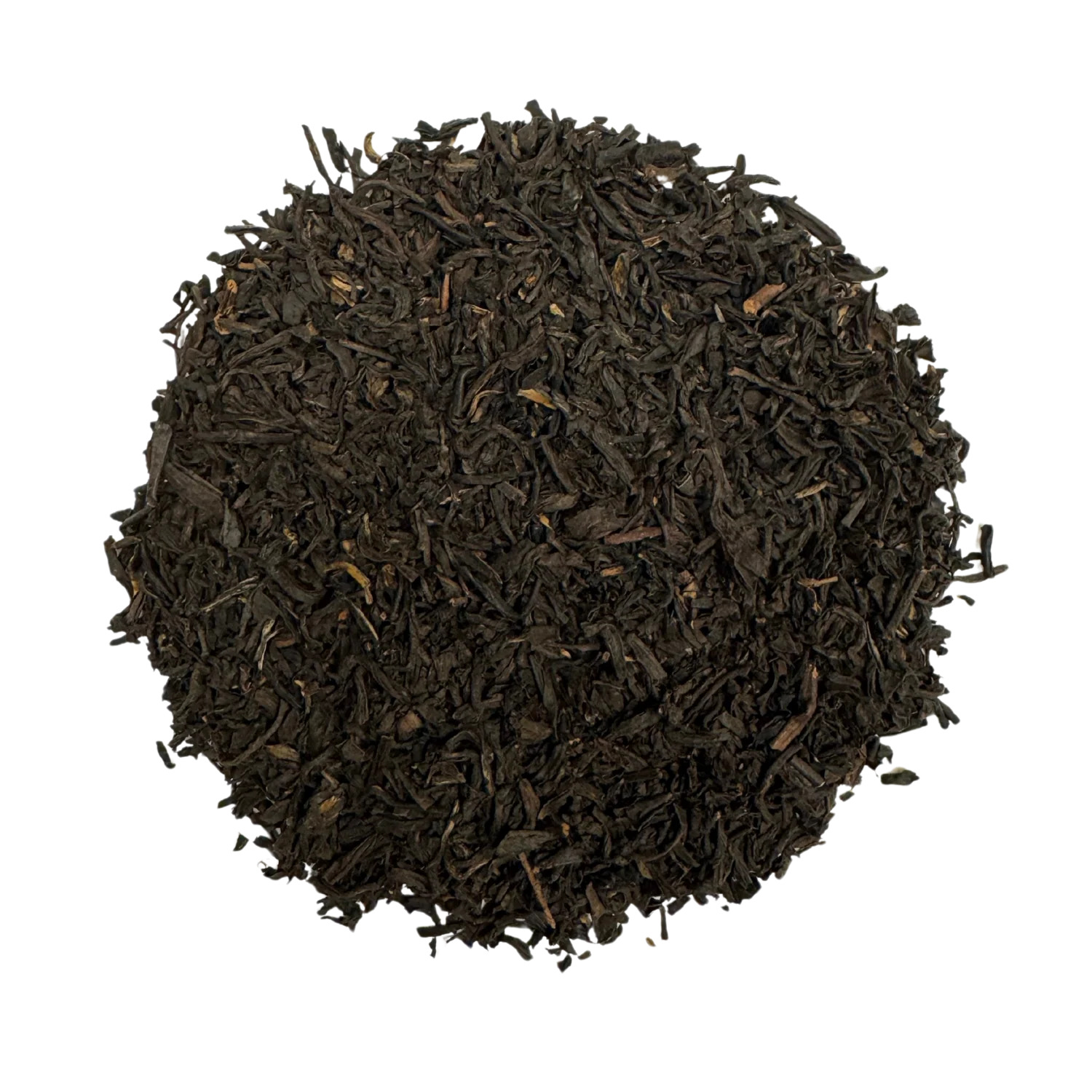
Bohea tea, (pronounced “Boo-hee” – Ukers 510), was by far the largest tea import during colonial times. Sometimes called Bohea Souchong or Lapsang Bohea, the blend originated in China with trade to the British and Dutch East India Companies. It was so popular that the word bohea became the slang term for tea. The blend
$4.00 - $12.00
 Tea and Herbs
Congou
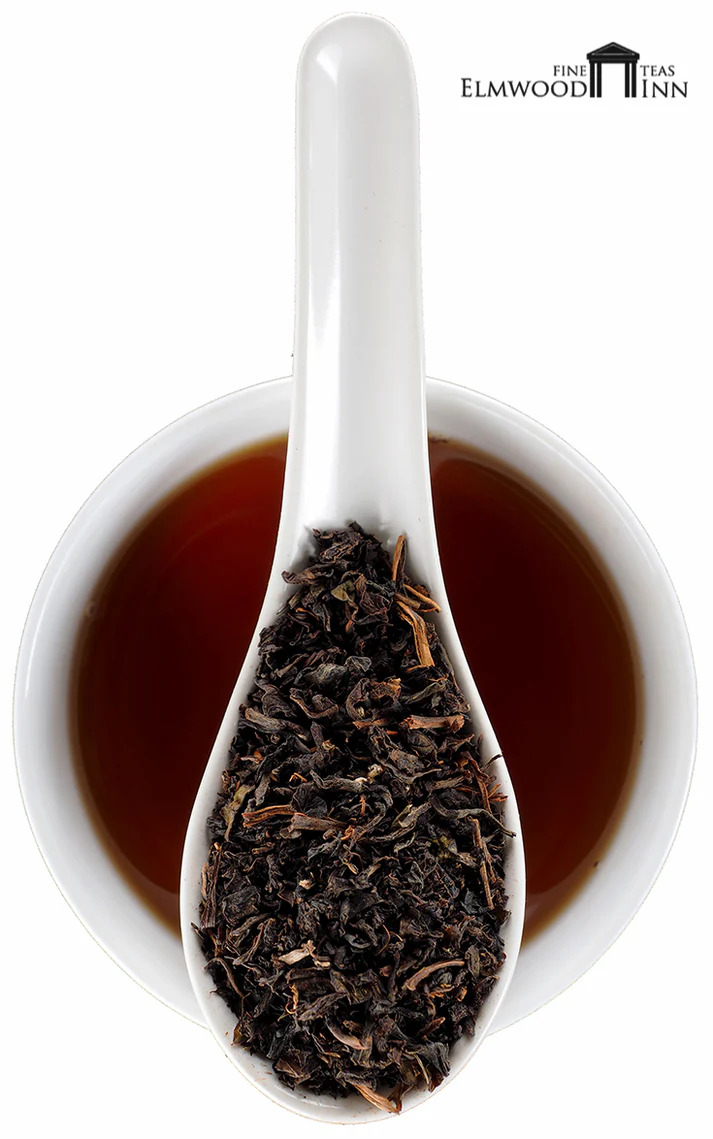
This Chinese black tea was one of the five teas tossed into Boston Harbor on December 16, 1773. Congou was made in a more disciplined manner than the common Bohea black tea and was higher priced. If you are a fan of China’s black teas, such as Keemun, you’ll appreciate this historic and delicious leaf. Brewing Instruct
$4.00 - $12.00
More like this
 Tea and Herbs
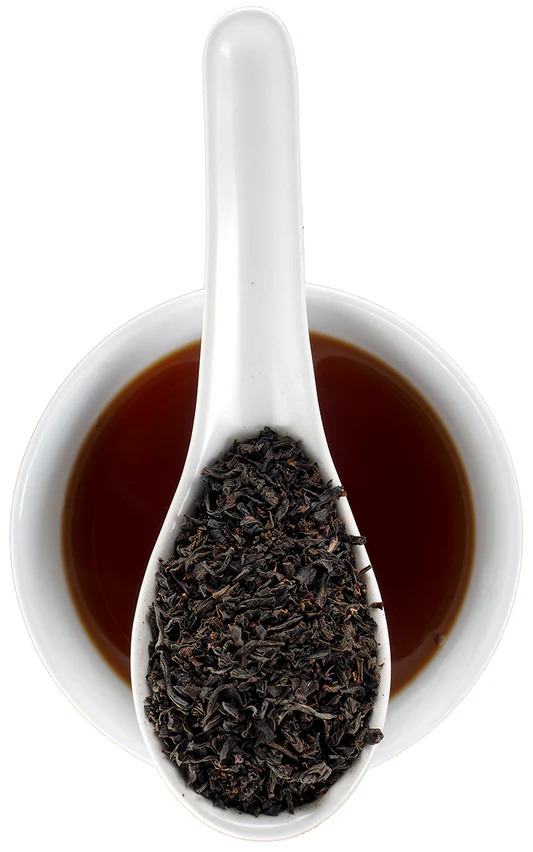
Abigail's Blend
This historic blend of black teas to be reminiscent of the Chinese black teas tossed overboard in 1773 by using teas from across the British Empire, including China, India, and Kenya. If you are a fan of English Breakfast blends – with or without milk – you will love this tea. It also makes a great iced tea. Let’s just
$4.00 - $12.00
 Tea and Herbs
Apricot Black Tea
Imagine being whisked away to a beautiful fresh apricot orchard. The rich, sweet and elegant flavor of apricots is infused with our blend of black teas from Kenya, Ceylon, and Indonesia. Enhanced with dried blossoms that create a refreshing cup of tea. Delicious hot or over ice. Brewing Instructions:1 level tsp./6 oz s
$4.00 - $12.00
Tea and HerbsAssam CTC
This fast-steeping black tea from the organic Dinjoye Gardens in the Assam region of India is known around the world for its full-bodied flavor that combines well with milk. This grade is found in a host of English and Irish morning tea blends. Think of it as comfort food! CTC stands for Cut-Tear-Curl, a process invent
$4.00 - $12.00
 Tea and Herbs
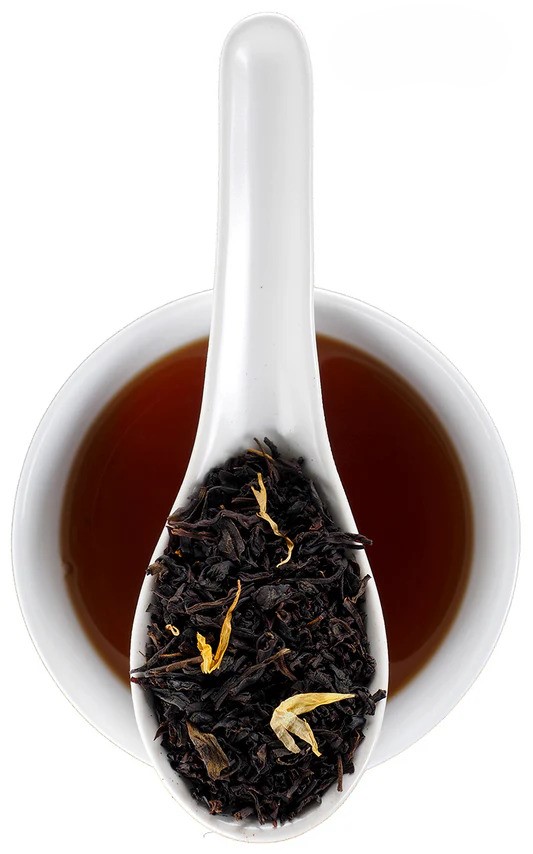
Bourbon
Inspired by Kentucky’s world-famous bourbon heritage, this blend marries bold Chinese Yunnan with smoky Lapsang Souchong to echo the complexity of charred oak barrels. Smooth notes of caramel and vanilla shine through, and while completely alcohol-free, each sip delivers the warmth, sweetness, and layered character bou
$4.00 - $12.00