
Tea and Herbs
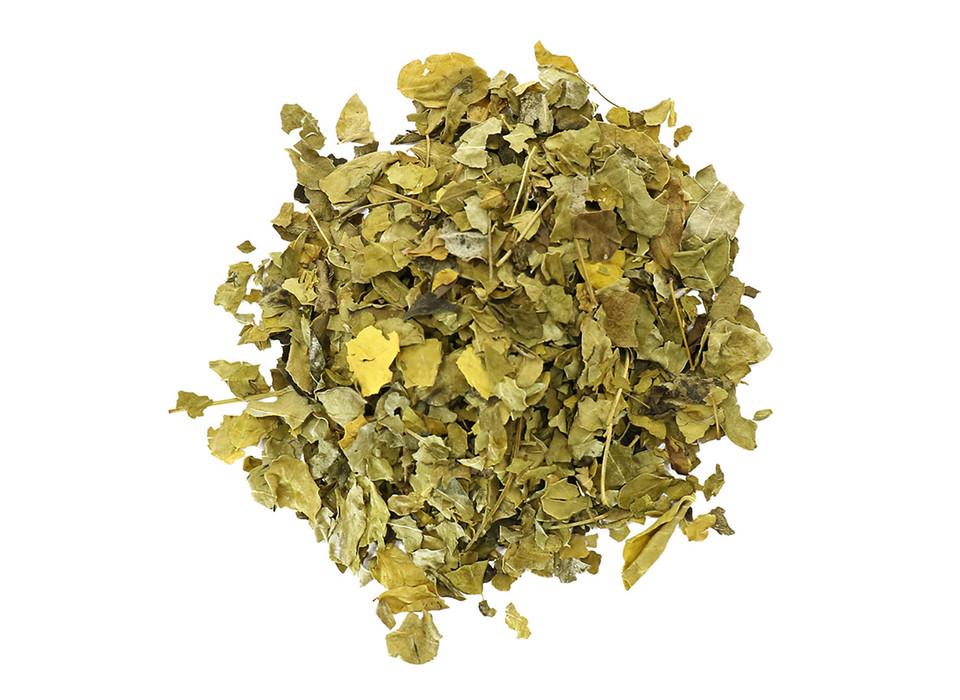
Moringa
$8.002 oz
Moringa oleifera is native to India where it is utilized in a number of preparations. For thousands of years, moringa leaf has been a source of nutrition, while the timber from the morgina tree provides building materials. Moringa leaves and seed pods are often eaten for their nutritious value and the roots made into a pungent condiment. The leaf is used extensively in Ayurveda and is typically steeped as moringa tea. Moringa is a tree that has been used for thousands of years in India for everything from food, to building materials, and also for its beneficial properties. This ‘wonder tree’ truly is wondrous in that each part of the tree is useful. The roots, stems, leaves, seed pods, resin and flowers are considered to be healing herbs in Ayurvedic (traditional Indian healing system) and Unani (traditional Middle Eastern healing system) folk medicine. In modern times, the leaves and seed pods are utilized extensively due to their nutrient content and modern studies are investigating their vast potential. Other common names include drumsticktree, West Indian ben, muringa (Tamil), jacinto (Spanish), sahijan or munaga (Hindi), and shigru or shobhanjana (Ayurvedic). Moringa is native to the sub Himalayan mountain region particularly in India and has been introduced to southwest Asia, southwest and northeast Africa, Madagascar, the Philippines, and in the United States in California, Arizona, Hawaii and Florida. This tree is in the Moringaceae, or horseradish tree, family which is closely related to the papaya containing Caricaceae family. It is the sole genus, containing thirteen species one such species being M. stenopetala, a species native to and cultivated in Africa. The generic name is derived from the Tamil (language spoken in southern India and northeast Sri Lanka) word ‘murungai’ meaning twisted pod. And ‘oleifera’ is Latin meaning ‘oil-bearing’ due to the seeds high oil content. Moringa is drought tolerant and thrives in semi-arid, tropical, and subtropical climates and is one of the most commonly cultivated food plants in the world. It is grown in India, Pakistan, Africa, the Philippines, and the Caribbean. Further, it is cultivated in various countries in Central and South America because it is easy to grow and has high market potential, therefore potentially providing an alternative to deforestation. It is also cultivated extensively in African countries to feed their own malnourished populations. It is believed that the moringa tree originated in northern India and was being used in Indian medicine around 5,000 years ago, and there are also accounts of it being utilized by the ancient Greeks, Romans, and Egyptians. This tree was, and still is, considered a panacea, and is referred to as the ‘The Wonder Tree’, ‘The Divine Tree’, and ‘The Miracle Tree’ amongst many others. Moringa was used extensively in Ayurveda, where virtually all parts were considered useful with a plethora of beneficial attributes. It was employed to support digestion, spleen and eye health, as a cooking additive, and in many other ways. Its taste was considered bitter and pungent; its energetics, heating; and its effect upon the dosha (Ayurvedic constitutional type) are balancing to Kapha (dosha ruled by earth and water) and Vata (dosha ruled by air and ether). The leaf is considered energetically bitter, pungent, and heating. The whole tree has been used for erosion control and for building materials to provide shelter. The seed is high in oil, and the fibers remaining after oil extraction are one of the best plant-derived flocculants (clarifying agents) for clarifying water. Further, the roots are believed to taste like horseradish and are thus used as a condiment. Additionally, the flowers are eaten in omelets. The leaves have an extremely high nutrient value and are dried and powdered and put in sauces and baby formula. A beverage is made from the leaf, either as a standard tea or as a type of reconstituted dried leaf juice. In India, the immature seed pods (known as drumsticks) are eaten like asparagus. Further, a nutrient dense formula made from the leaves is sprayed on plants in South America in order to boost corn yields. Moringa grows in countries where 5% to 35% of the population is suffering from malnutrition. According to one organization working towards feeding malnourished populations called Trees for Life “Amazingly, moringa grows in subtropical areas, where malnutrition is most prevalent. It was as if people had a goldmine in their backyard and simply didn’t know it.” Many groups are supporting the cultivation of moringa for personal use in developing countries, suggesting that each person grows two or three trees in their backyard thus providing a sustainable solution to malnutrition and reducing reliance upon imported foods. Another such group, called Educational Concerns for Hunger Organization or ECHO states: “Malnutrition is a leading cause of high infant mortality throughout the tropics. Moringa has helped in bringing nutrition to these hungry children (and)….it is considered one of the most nutritious vegetables in the world. It is an important nutrient source for nursing mothers as well as developing children.” Perhaps moringa really is a miracle tree..? Not only has it provided food, shelter, water filtration, and medicine, but it may also be a source for fuel in the future. Moringa is being considered as potential source for biodiesel (plant-based fuel that diesel engines can run off of). This plant grows easily in tropical areas and can easily produce high quantities of biomass for fuel. This can be done without compromising leaf harvest, thus the same moringa plant can be cultivated for both fuel and as a nutritional supplement for the natural marketplace simultaneously. It is therefore considered a superior feedstock to jatropha (Jatropha sp.) which is commonly grown for biofuel. Precautions No known precautions. We recommend that you consult with a qualified healthcare practitioner before using herbal products, particularly if you are pregnant, nursing, or on any medications. This information has not been evaluated by the Food and Drug Administration. This product is not intended to diagnose, treat, cure, or prevent any disease. For educational purposes only.
Size
- Packed to order, never sitting on a shelf
- Loose leaf, steeped your way
- $8 flat shipping · free over $100
Details
Moringa oleifera is native to India where it is utilized in a number of preparations. For thousands of years, moringa leaf has been a source of nutrition, while the timber from the morgina tree provides building materials. Moringa leaves and seed pods are often eaten for their nutritious value and the roots made into a pungent condiment. The leaf is used extensively in Ayurveda and is typically steeped as moringa tea. Moringa is a tree that has been used for thousands of years in India for everything from food, to building materials, and also for its beneficial properties. This ‘wonder tree’ truly is wondrous in that each part of the tree is useful. The roots, stems, leaves, seed pods, resin and flowers are considered to be healing herbs in Ayurvedic (traditional Indian healing system) and Unani (traditional Middle Eastern healing system) folk medicine. In modern times, the leaves and seed pods are utilized extensively due to their nutrient content and modern studies are investigating their vast potential. Other common names include drumsticktree, West Indian ben, muringa (Tamil), jacinto (Spanish), sahijan or munaga (Hindi), and shigru or shobhanjana (Ayurvedic). Moringa is native to the sub Himalayan mountain region particularly in India and has been introduced to southwest Asia, southwest and northeast Africa, Madagascar, the Philippines, and in the United States in California, Arizona, Hawaii and Florida. This tree is in the Moringaceae, or horseradish tree, family which is closely related to the papaya containing Caricaceae family. It is the sole genus, containing thirteen species one such species being M. stenopetala, a species native to and cultivated in Africa. The generic name is derived from the Tamil (language spoken in southern India and northeast Sri Lanka) word ‘murungai’ meaning twisted pod. And ‘oleifera’ is Latin meaning ‘oil-bearing’ due to the seeds high oil content. Moringa is drought tolerant and thrives in semi-arid, tropical, and subtropical climates and is one of the most commonly cultivated food plants in the world. It is grown in India, Pakistan, Africa, the Philippines, and the Caribbean. Further, it is cultivated in various countries in Central and South America because it is easy to grow and has high market potential, therefore potentially providing an alternative to deforestation. It is also cultivated extensively in African countries to feed their own malnourished populations. It is believed that the moringa tree originated in northern India and was being used in Indian medicine around 5,000 years ago, and there are also accounts of it being utilized by the ancient Greeks, Romans, and Egyptians. This tree was, and still is, considered a panacea, and is referred to as the ‘The Wonder Tree’, ‘The Divine Tree’, and ‘The Miracle Tree’ amongst many others. Moringa was used extensively in Ayurveda, where virtually all parts were considered useful with a plethora of beneficial attributes. It was employed to support digestion, spleen and eye health, as a cooking additive, and in many other ways. Its taste was considered bitter and pungent; its energetics, heating; and its effect upon the dosha (Ayurvedic constitutional type) are balancing to Kapha (dosha ruled by earth and water) and Vata (dosha ruled by air and ether). The leaf is considered energetically bitter, pungent, and heating. The whole tree has been used for erosion control and for building materials to provide shelter. The seed is high in oil, and the fibers remaining after oil extraction are one of the best plant-derived flocculants (clarifying agents) for clarifying water. Further, the roots are believed to taste like horseradish and are thus used as a condiment. Additionally, the flowers are eaten in omelets. The leaves have an extremely high nutrient value and are dried and powdered and put in sauces and baby formula. A beverage is made from the leaf, either as a standard tea or as a type of reconstituted dried leaf juice. In India, the immature seed pods (known as drumsticks) are eaten like asparagus. Further, a nutrient dense formula made from the leaves is sprayed on plants in South America in order to boost corn yields. Moringa grows in countries where 5% to 35% of the population is suffering from malnutrition. According to one organization working towards feeding malnourished populations called Trees for Life “Amazingly, moringa grows in subtropical areas, where malnutrition is most prevalent. It was as if people had a goldmine in their backyard and simply didn’t know it.” Many groups are supporting the cultivation of moringa for personal use in developing countries, suggesting that each person grows two or three trees in their backyard thus providing a sustainable solution to malnutrition and reducing reliance upon imported foods. Another such group, called Educational Concerns for Hunger Organization or ECHO states: “Malnutrition is a leading cause of high infant mortality throughout the tropics. Moringa has helped in bringing nutrition to these hungry children (and)….it is considered one of the most nutritious vegetables in the world. It is an important nutrient source for nursing mothers as well as developing children.” Perhaps moringa really is a miracle tree..? Not only has it provided food, shelter, water filtration, and medicine, but it may also be a source for fuel in the future. Moringa is being considered as potential source for biodiesel (plant-based fuel that diesel engines can run off of). This plant grows easily in tropical areas and can easily produce high quantities of biomass for fuel. This can be done without compromising leaf harvest, thus the same moringa plant can be cultivated for both fuel and as a nutritional supplement for the natural marketplace simultaneously. It is therefore considered a superior feedstock to jatropha (Jatropha sp.) which is commonly grown for biofuel. Precautions No known precautions. We recommend that you consult with a qualified healthcare practitioner before using herbal products, particularly if you are pregnant, nursing, or on any medications. This information has not been evaluated by the Food and Drug Administration. This product is not intended to diagnose, treat, cure, or prevent any disease. For educational purposes only.
Brewing
Water 200-212°F. Steep 5-10 minutes. Leaves and flowers need less time; roots and barks often need more. Roots, bark and dense seeds may benefit from a longer steep or a gentle covered simmer.
- Use about 1 level teaspoon of loose tea per 6-8 oz. of water unless the product label says otherwise.
- For blended teas, follow the temperature of the most delicate true-tea base (green/white before black).
Shipping & returns
Packed and shipped within 48 hours. $8 flat rate, free over $100. Something wrong? Call 815-641-7800 and we will make it right.
Want your name on the bag?
You Create IT. You Name IT. You Label IT. Over 5 million flavor combinations.
Build a custom labelCustomers also bought
 Tea and Herbs
Christmas Spice
Cinnamon, cloves, nutmeg and orange blended with black tea. Brewing Instructions:1 level tsp./6 oz serving Steep Time: 4-5 min Temp: 203-212° F Ingredients: Black Tea, N/A Flavoring, Cloves, Cinnamon Pieces and Orange Peels.
$4.00 - $12.00
 Tea and Herbs
Cinnamon Orange Spice
Cinnamon, orange peel, cloves and nutmeg combine to create a spicy tasting cup of tea, sweet without the sugar. Contains Caffeine Brewing Instructions:1 level tsp./6 oz serving Steep Time: 4-5 min Temp: 203-212° F
$4.00 - $12.00
 Tea and Herbs
Colonial Bohea
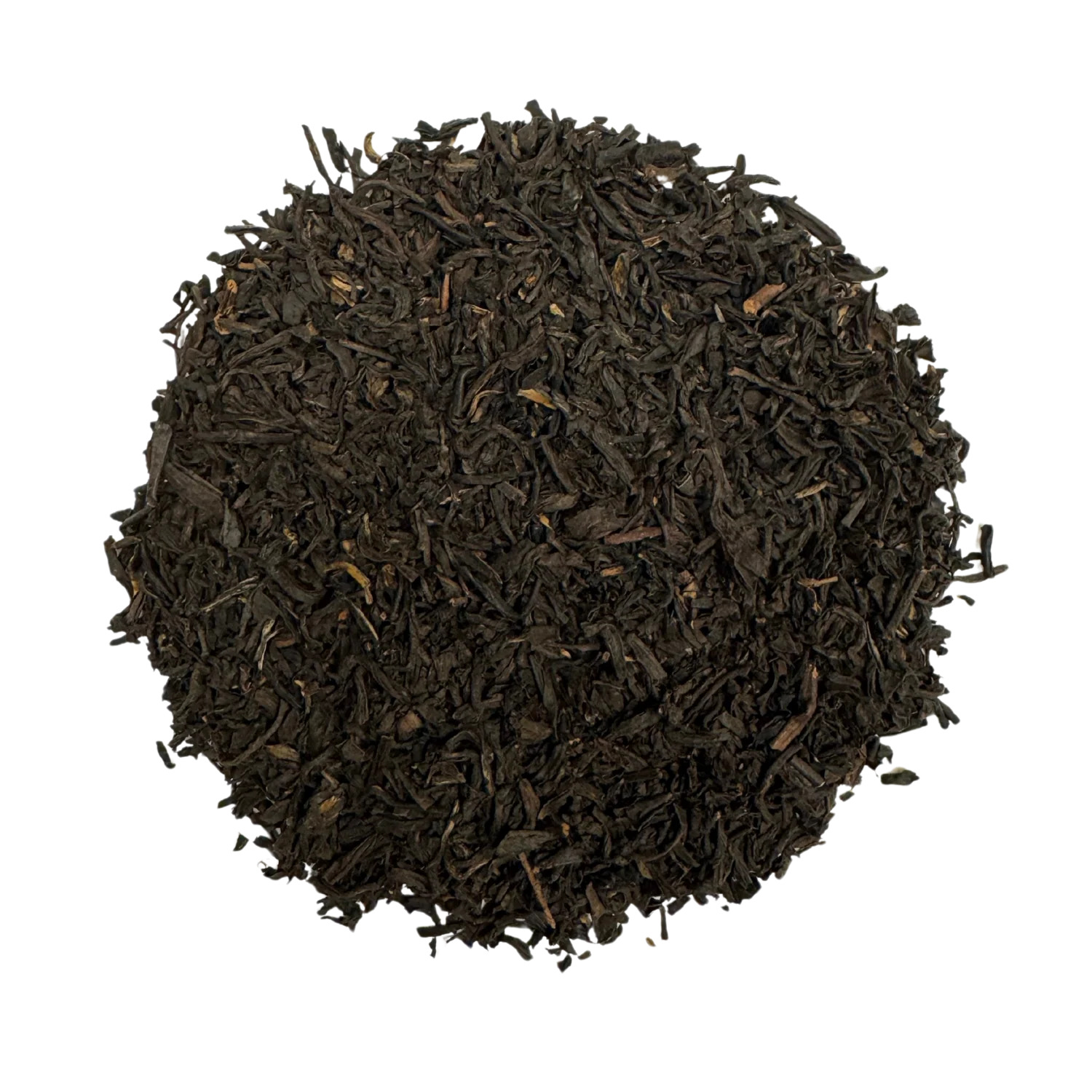
Bohea tea, (pronounced “Boo-hee” – Ukers 510), was by far the largest tea import during colonial times. Sometimes called Bohea Souchong or Lapsang Bohea, the blend originated in China with trade to the British and Dutch East India Companies. It was so popular that the word bohea became the slang term for tea. The blend
$4.00 - $12.00
 Tea and Herbs
Congou
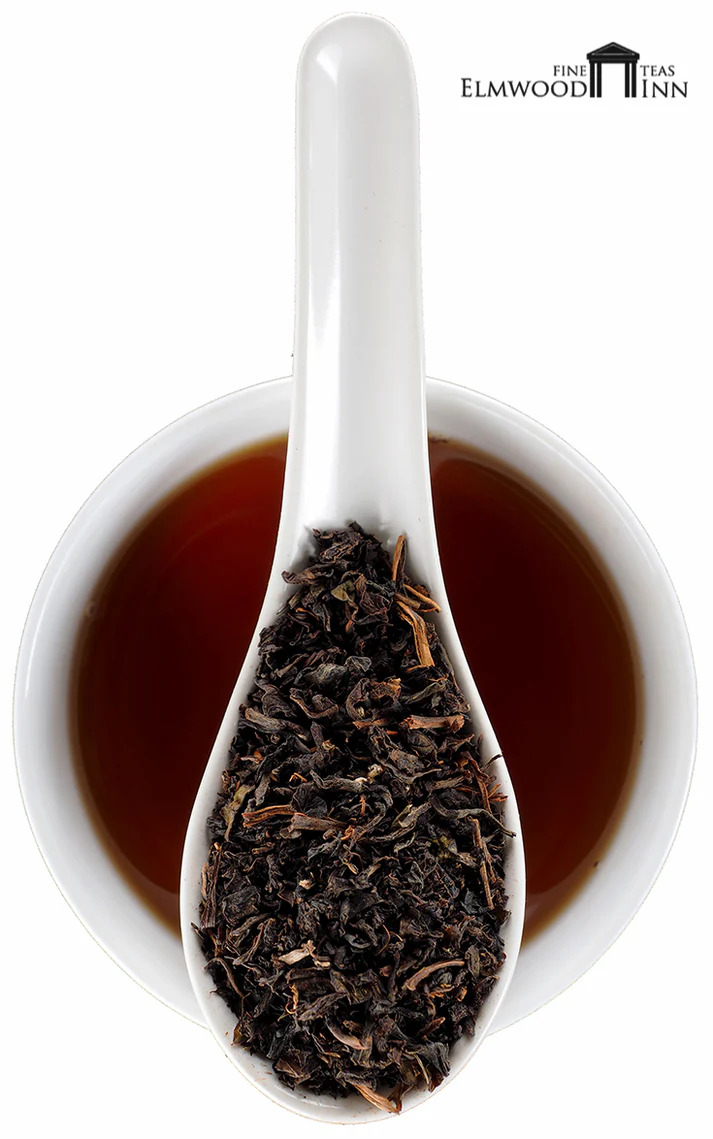
This Chinese black tea was one of the five teas tossed into Boston Harbor on December 16, 1773. Congou was made in a more disciplined manner than the common Bohea black tea and was higher priced. If you are a fan of China’s black teas, such as Keemun, you’ll appreciate this historic and delicious leaf. Brewing Instruct
$4.00 - $12.00
More like this
 Tea and Herbs
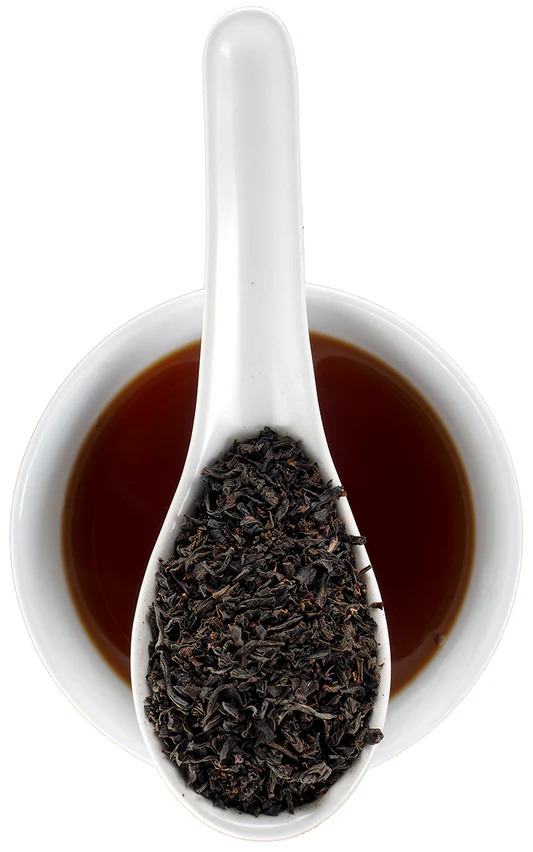
Abigail's Blend
This historic blend of black teas to be reminiscent of the Chinese black teas tossed overboard in 1773 by using teas from across the British Empire, including China, India, and Kenya. If you are a fan of English Breakfast blends – with or without milk – you will love this tea. It also makes a great iced tea. Let’s just
$4.00 - $12.00
 Tea and Herbs
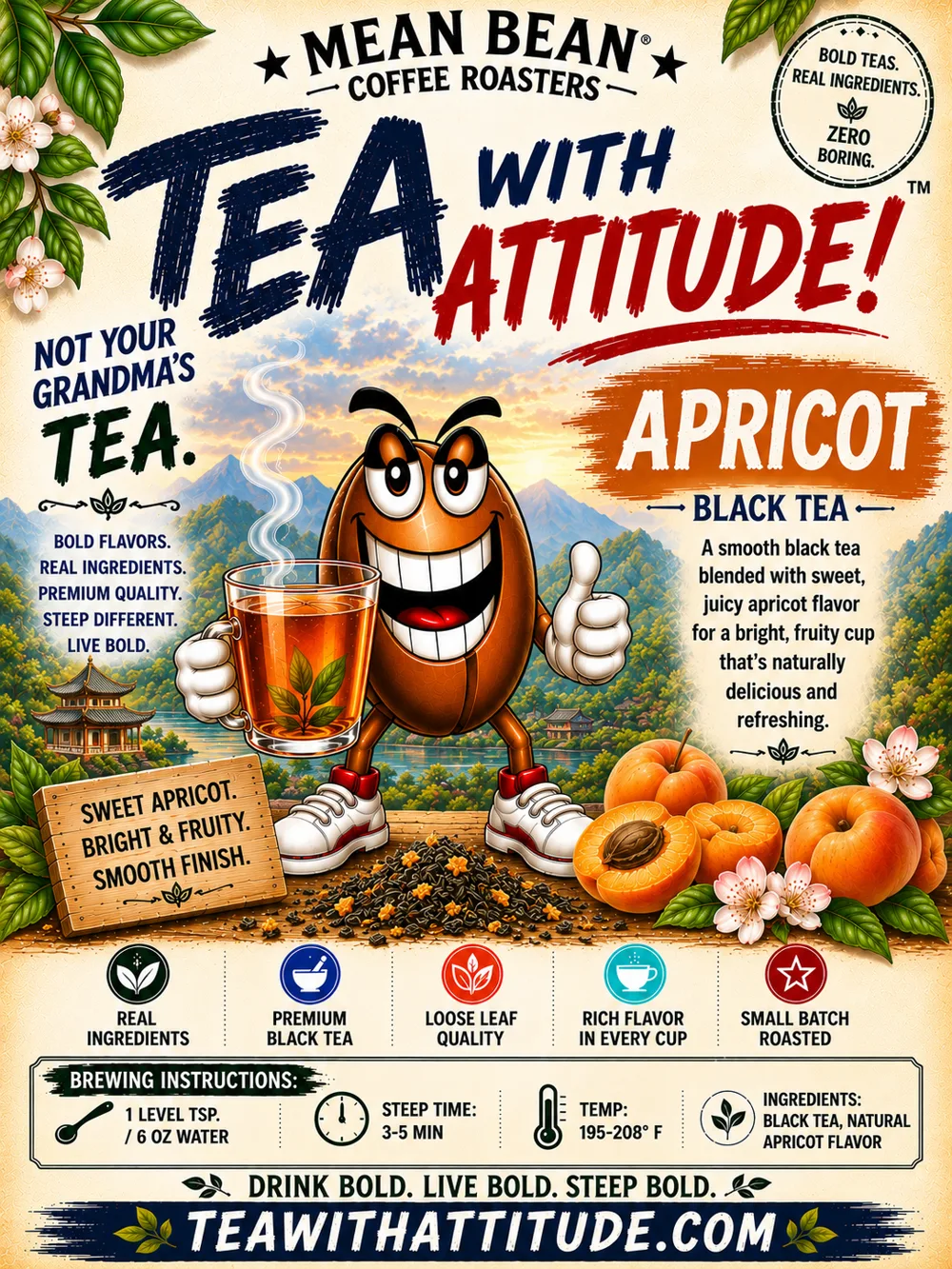
Apricot Black Tea
Imagine being whisked away to a beautiful fresh apricot orchard. The rich, sweet and elegant flavor of apricots is infused with our blend of black teas from Kenya, Ceylon, and Indonesia. Enhanced with dried blossoms that create a refreshing cup of tea. Delicious hot or over ice. Brewing Instructions:1 level tsp./6 oz s
$4.00 - $12.00
Tea and HerbsAssam CTC
This fast-steeping black tea from the organic Dinjoye Gardens in the Assam region of India is known around the world for its full-bodied flavor that combines well with milk. This grade is found in a host of English and Irish morning tea blends. Think of it as comfort food! CTC stands for Cut-Tear-Curl, a process invent
$4.00 - $12.00
 Tea and Herbs
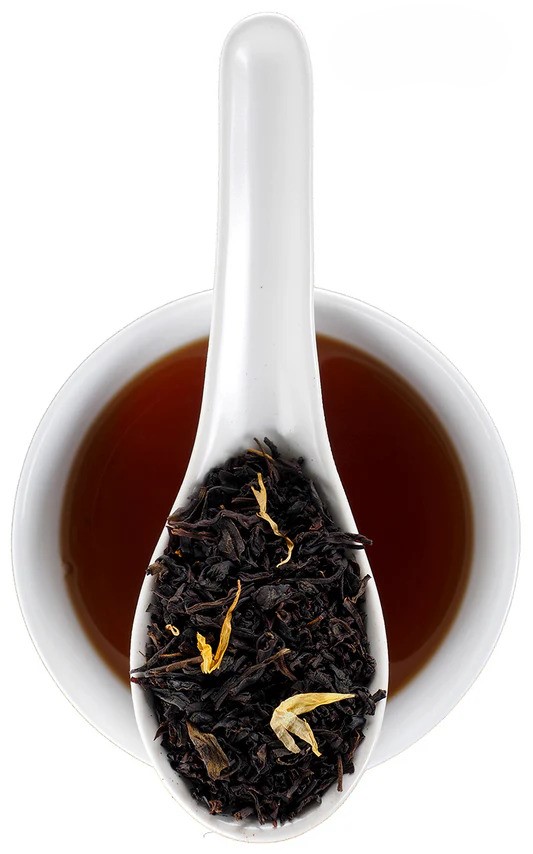
Bourbon
Inspired by Kentucky’s world-famous bourbon heritage, this blend marries bold Chinese Yunnan with smoky Lapsang Souchong to echo the complexity of charred oak barrels. Smooth notes of caramel and vanilla shine through, and while completely alcohol-free, each sip delivers the warmth, sweetness, and layered character bou
$4.00 - $12.00