
Tea and Herbs
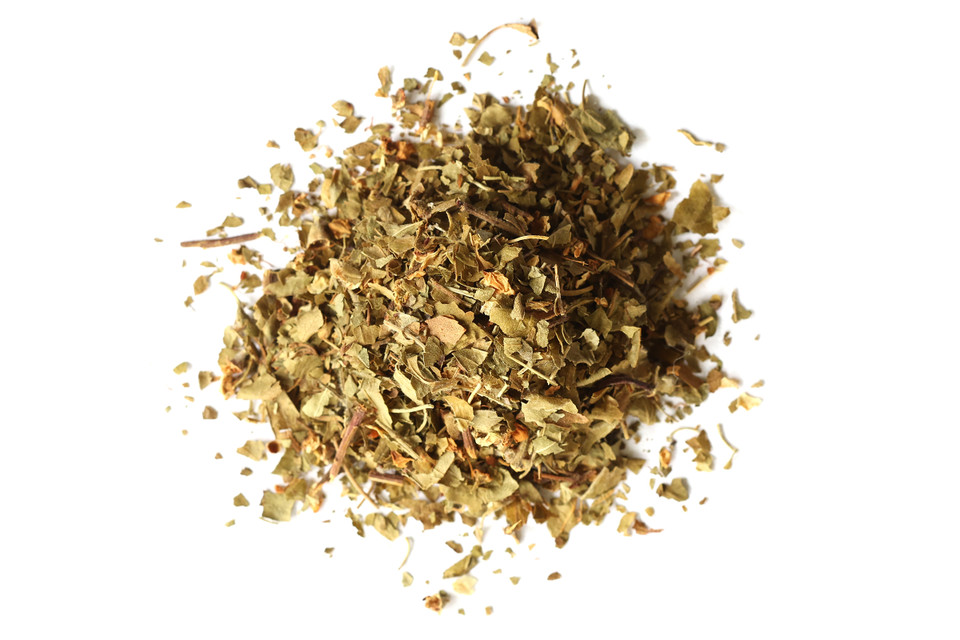
Hawthorne (Leaf & Flower)
$8.002 oz
Crataegus monogyna is a large shrub native to Europe and a member of the Rosaceae family. Hawthorn flowers bloom around the first of May and have traditionally signified the first days of summer. Sprigs of hawthorn were incorporated into the Beltane festivals of ancient Europe celebrating this time of the year. Hawthorn leaf and hawthorn flower can be employed in much the same way as the berries and hold many similar beneficial properties. Also spelled, hawthorne, the leaf and flower can be steeped as hawthorn tea, added to cordials, or tinctured. Hawthorn leaf, flower, and berry have been praised over the centuries for their heart elevating properties. Believed to uplift and strengthen both the physical and emotional heart, hawthorn, as it supports healthy cardiovascular function, was also revered for ceremonial and spiritual purposes. The flavorful red berries have been used in candies, jams, jellies, wines, and cordials and are widely available in many forms as dietary supplements. Hawthorn supports healthy circulation and cardiovascular functioning.* Crataegus is a thorny shrub or tree with stems and trunks that consist of hard wood and gray bark, often having tri-lobed leaves and white flowers that are similar to other genera in the Rosaceae family and bearing bright red berries. There are around 280 known species, several of which are used in traditional medicine and may be used interchangeably. Generally, C. laevigata (synonym C. oxyacantha) and C. monogyna are found in commerce. In Traditional Chinese Medicine (TCM), C. pinnatifida is used. Crataegus oxyacantha is derived from the Greek ‘kratos’, meaning hardness and referring to the wood, ‘oxcus’ which means ‘sharp’, and ‘akantha’ which is a thorn. In several countries in Europe, in particularly Germany, the hawthorn was used as a hedgerow, ‘haw’ being an older term for ‘hedge.’ This shrub was also referred to as ‘whitethorn’ due to its light bark. C. mongyna or English hawthorn is native to the northern temperate forests of Europe and has become widely naturalized in the United States. Most hawthorn that is cultivated for commercial purposes is obtained from the United Kingdom and other countries such as Albania, Bulgaria, Romania, the former Yugoslavia, and Poland. Collect the flowering branches in the spring as all parts (leaves, twigs, spines, flowers) may be used for fresh tincturing. Or if drying, discard stems and spines. The berries are best harvested in the fall when they are fully ripe, and before the first frost. Hawthorn has been used since the Middle ages, with some accounts going back as far as the first century to Greek herbalist Dioscorides. It was later used by Swiss physician Paracelsus (1493–1541 CE). Considered to be a particularly symbolic tree with many folktales and magical myths surrounding it, hawthorn was “sacred tree medicine” to the ancient Druids, and was said to house fairies, specifically when growing with oak and ash trees. However, it was unlucky to bring the flowers into the house, quite possibly because they would bring the fairy folk with them. Hawthorn twigs and flowers were incorporated in the marriage wreath symbolizing chastity and insuring prosperity at Greek weddings and were also used to decorate alters worshipping the goddess of marriage, Hymen. In Ireland, couples desiring hawthorn’s blessing would dance around it at marriage ceremonies. The sprigs were attached to newborn’s cradles to protect them from evil and also used to decorate the maypole for the May Day or Beltane ceremony, which celebrated fertility and renewal. The blooming of this tree coincided with the first day of summer which occurred in May. In the traditional medicine of Europe all parts of the tree were appreciated and utilized: leaves, berries, flowers, and the wood. The blossoms were used as a heart tonic and a diuretic, and the berries and leaves were made into an astringent tea to soothe throats. The bright red sumptuous berries were also made into a tasty brandy cordial. Additionally, the wood was carved into smaller objects such as boxes and combs and burnt as fuel producing wood fires that were extremely hot. Hawthorn or ‘shanzha’ has been used in TCM since ancient times, however most historical uses were related to digestion until recently. It is considered energetically slightly warm, associated with the spleen, stomach, and liver meridians, and reflects both sweet and sour tastes. Presently, it is used to support the cardiovascular system as well, and in fact, in China, the berries are so popular that they are made into hawthorn candies that are similar to the ‘fruit roll-ups’ in the West. Hawthorn is considered a superior heart tonic by many herbalists. However, its effects on the heart are manifold. Many consider hawthorn to be transformational for the emotional or spiritual heart as well. Herbalist Matthew Becker suggests that hawthorn is specifically helpful for people with “broken hearts” i.e. for those ” feeling wounded and hurt.” Often the flowers and leaves are made into floral essences to address these types of emotional issues. Hawthorn is considered slightly warm energetically and both sour and sweet in taste. Precautions No known precautions. We recommend that you consult with a qualified healthcare practitioner before using herbal products, particularly if you are pregnant, nursing, or on any medications. *This statement has not been evaluated by the Food and Drug Administration. This product is not intended to diagnose, treat, cure, or prevent any disease. For educational purposes only.
Size
- Packed to order, never sitting on a shelf
- Loose leaf, steeped your way
- $8 flat shipping · free over $100
Details
Crataegus monogyna is a large shrub native to Europe and a member of the Rosaceae family. Hawthorn flowers bloom around the first of May and have traditionally signified the first days of summer. Sprigs of hawthorn were incorporated into the Beltane festivals of ancient Europe celebrating this time of the year. Hawthorn leaf and hawthorn flower can be employed in much the same way as the berries and hold many similar beneficial properties. Also spelled, hawthorne, the leaf and flower can be steeped as hawthorn tea, added to cordials, or tinctured. Hawthorn leaf, flower, and berry have been praised over the centuries for their heart elevating properties. Believed to uplift and strengthen both the physical and emotional heart, hawthorn, as it supports healthy cardiovascular function, was also revered for ceremonial and spiritual purposes. The flavorful red berries have been used in candies, jams, jellies, wines, and cordials and are widely available in many forms as dietary supplements. Hawthorn supports healthy circulation and cardiovascular functioning.* Crataegus is a thorny shrub or tree with stems and trunks that consist of hard wood and gray bark, often having tri-lobed leaves and white flowers that are similar to other genera in the Rosaceae family and bearing bright red berries. There are around 280 known species, several of which are used in traditional medicine and may be used interchangeably. Generally, C. laevigata (synonym C. oxyacantha) and C. monogyna are found in commerce. In Traditional Chinese Medicine (TCM), C. pinnatifida is used. Crataegus oxyacantha is derived from the Greek ‘kratos’, meaning hardness and referring to the wood, ‘oxcus’ which means ‘sharp’, and ‘akantha’ which is a thorn. In several countries in Europe, in particularly Germany, the hawthorn was used as a hedgerow, ‘haw’ being an older term for ‘hedge.’ This shrub was also referred to as ‘whitethorn’ due to its light bark. C. mongyna or English hawthorn is native to the northern temperate forests of Europe and has become widely naturalized in the United States. Most hawthorn that is cultivated for commercial purposes is obtained from the United Kingdom and other countries such as Albania, Bulgaria, Romania, the former Yugoslavia, and Poland. Collect the flowering branches in the spring as all parts (leaves, twigs, spines, flowers) may be used for fresh tincturing. Or if drying, discard stems and spines. The berries are best harvested in the fall when they are fully ripe, and before the first frost. Hawthorn has been used since the Middle ages, with some accounts going back as far as the first century to Greek herbalist Dioscorides. It was later used by Swiss physician Paracelsus (1493–1541 CE). Considered to be a particularly symbolic tree with many folktales and magical myths surrounding it, hawthorn was “sacred tree medicine” to the ancient Druids, and was said to house fairies, specifically when growing with oak and ash trees. However, it was unlucky to bring the flowers into the house, quite possibly because they would bring the fairy folk with them. Hawthorn twigs and flowers were incorporated in the marriage wreath symbolizing chastity and insuring prosperity at Greek weddings and were also used to decorate alters worshipping the goddess of marriage, Hymen. In Ireland, couples desiring hawthorn’s blessing would dance around it at marriage ceremonies. The sprigs were attached to newborn’s cradles to protect them from evil and also used to decorate the maypole for the May Day or Beltane ceremony, which celebrated fertility and renewal. The blooming of this tree coincided with the first day of summer which occurred in May. In the traditional medicine of Europe all parts of the tree were appreciated and utilized: leaves, berries, flowers, and the wood. The blossoms were used as a heart tonic and a diuretic, and the berries and leaves were made into an astringent tea to soothe throats. The bright red sumptuous berries were also made into a tasty brandy cordial. Additionally, the wood was carved into smaller objects such as boxes and combs and burnt as fuel producing wood fires that were extremely hot. Hawthorn or ‘shanzha’ has been used in TCM since ancient times, however most historical uses were related to digestion until recently. It is considered energetically slightly warm, associated with the spleen, stomach, and liver meridians, and reflects both sweet and sour tastes. Presently, it is used to support the cardiovascular system as well, and in fact, in China, the berries are so popular that they are made into hawthorn candies that are similar to the ‘fruit roll-ups’ in the West. Hawthorn is considered a superior heart tonic by many herbalists. However, its effects on the heart are manifold. Many consider hawthorn to be transformational for the emotional or spiritual heart as well. Herbalist Matthew Becker suggests that hawthorn is specifically helpful for people with “broken hearts” i.e. for those ” feeling wounded and hurt.” Often the flowers and leaves are made into floral essences to address these types of emotional issues. Hawthorn is considered slightly warm energetically and both sour and sweet in taste. Precautions No known precautions. We recommend that you consult with a qualified healthcare practitioner before using herbal products, particularly if you are pregnant, nursing, or on any medications. *This statement has not been evaluated by the Food and Drug Administration. This product is not intended to diagnose, treat, cure, or prevent any disease. For educational purposes only.
Brewing
Water 200-212°F. Steep 5-10 minutes. Leaves and flowers need less time; roots and barks often need more. Roots, bark and dense seeds may benefit from a longer steep or a gentle covered simmer.
- Use about 1 level teaspoon of loose tea per 6-8 oz. of water unless the product label says otherwise.
- For blended teas, follow the temperature of the most delicate true-tea base (green/white before black).
Shipping & returns
Packed and shipped within 48 hours. $8 flat rate, free over $100. Something wrong? Call 815-641-7800 and we will make it right.
Want your name on the bag?
You Create IT. You Name IT. You Label IT. Over 5 million flavor combinations.
Build a custom labelCustomers also bought
 Tea and Herbs
Christmas Spice
Cinnamon, cloves, nutmeg and orange blended with black tea. Brewing Instructions:1 level tsp./6 oz serving Steep Time: 4-5 min Temp: 203-212° F Ingredients: Black Tea, N/A Flavoring, Cloves, Cinnamon Pieces and Orange Peels.
$4.00 - $12.00
 Tea and Herbs
Cinnamon Orange Spice
Cinnamon, orange peel, cloves and nutmeg combine to create a spicy tasting cup of tea, sweet without the sugar. Contains Caffeine Brewing Instructions:1 level tsp./6 oz serving Steep Time: 4-5 min Temp: 203-212° F
$4.00 - $12.00
 Tea and Herbs
Colonial Bohea
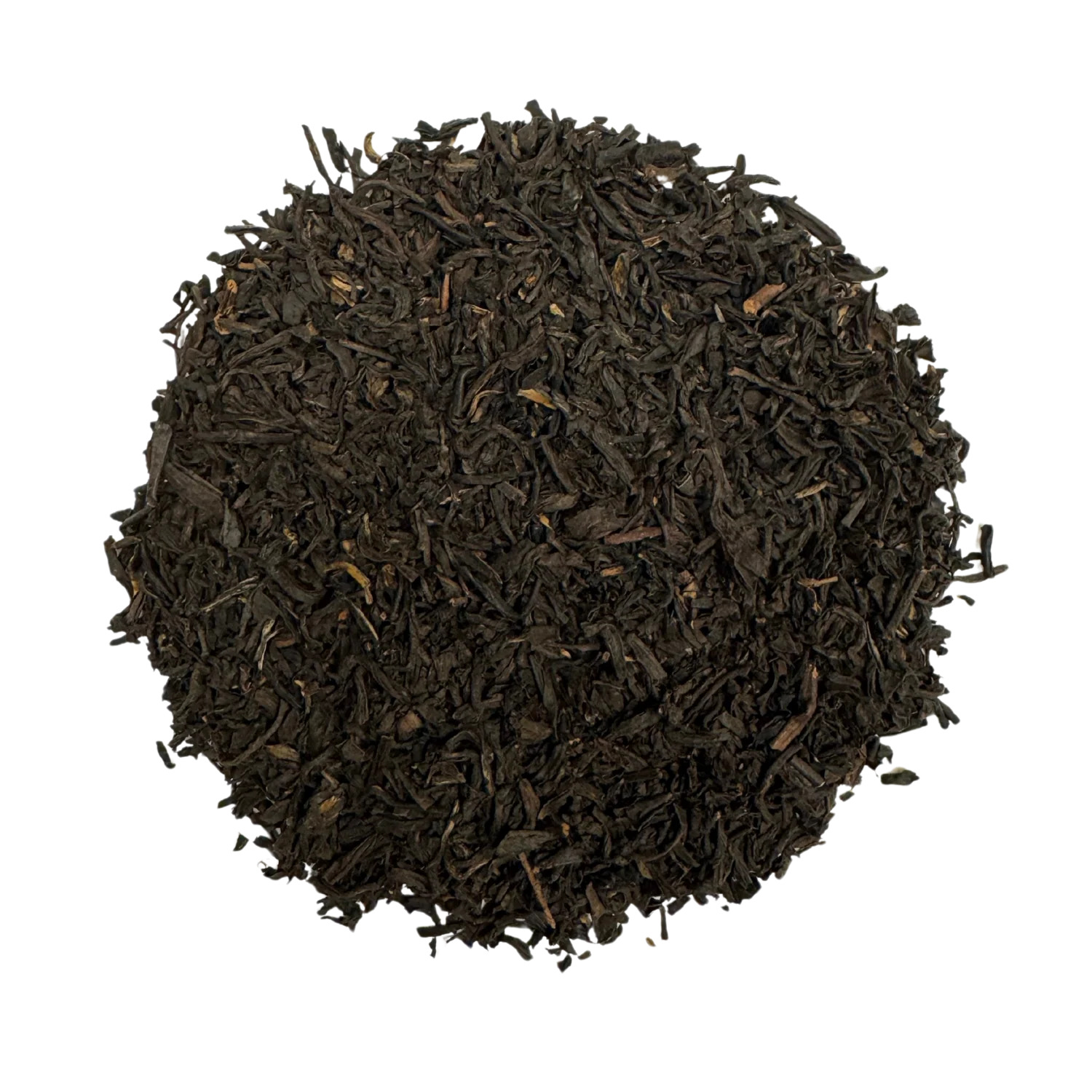
Bohea tea, (pronounced “Boo-hee” – Ukers 510), was by far the largest tea import during colonial times. Sometimes called Bohea Souchong or Lapsang Bohea, the blend originated in China with trade to the British and Dutch East India Companies. It was so popular that the word bohea became the slang term for tea. The blend
$4.00 - $12.00
 Tea and Herbs
Congou
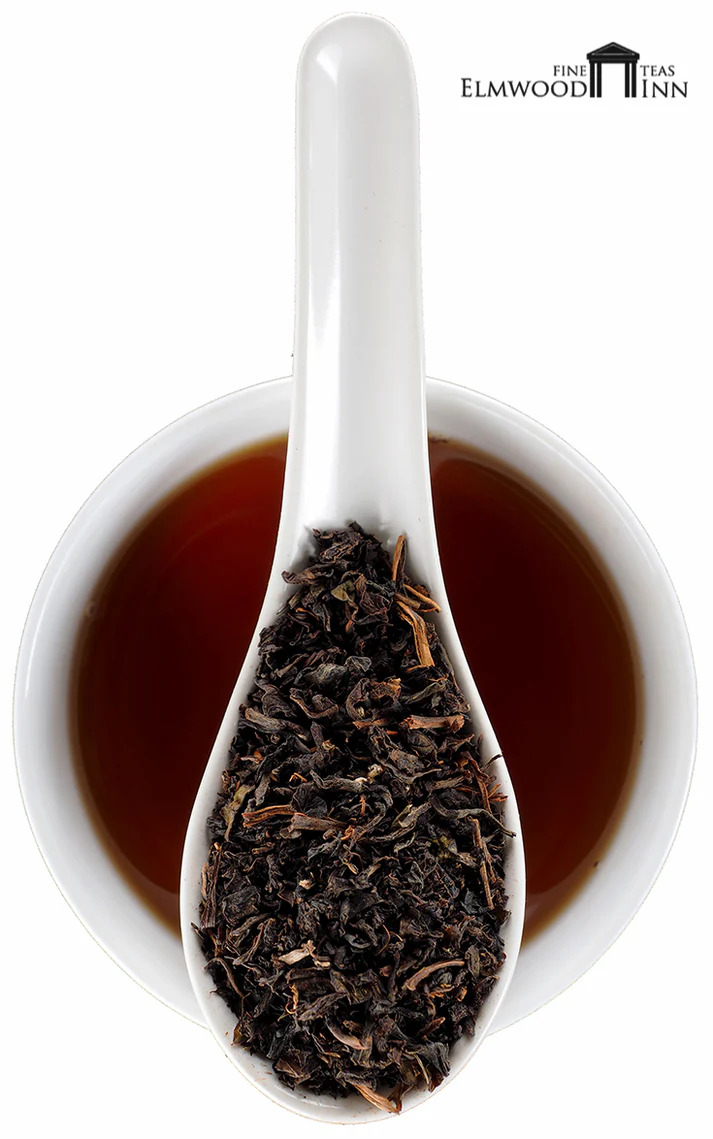
This Chinese black tea was one of the five teas tossed into Boston Harbor on December 16, 1773. Congou was made in a more disciplined manner than the common Bohea black tea and was higher priced. If you are a fan of China’s black teas, such as Keemun, you’ll appreciate this historic and delicious leaf. Brewing Instruct
$4.00 - $12.00
More like this
 Tea and Herbs
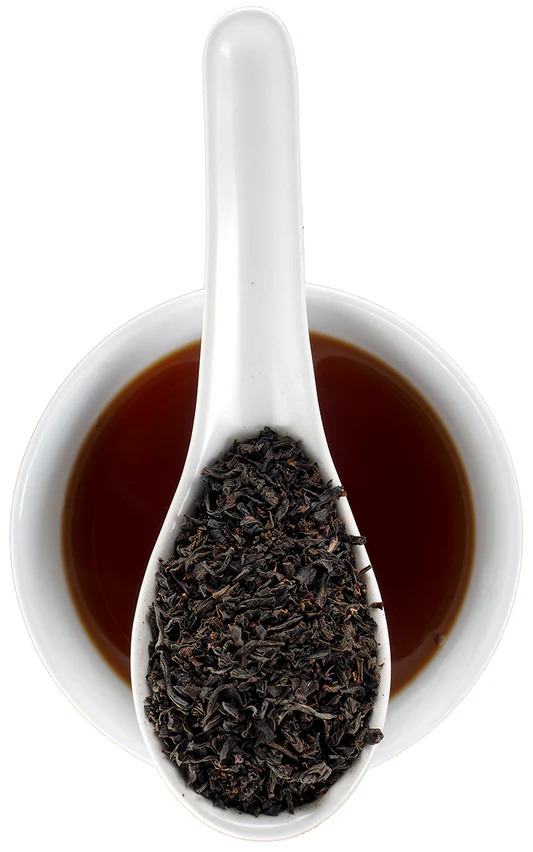
Abigail's Blend
This historic blend of black teas to be reminiscent of the Chinese black teas tossed overboard in 1773 by using teas from across the British Empire, including China, India, and Kenya. If you are a fan of English Breakfast blends – with or without milk – you will love this tea. It also makes a great iced tea. Let’s just
$4.00 - $12.00
 Tea and Herbs
Apricot Black Tea
Imagine being whisked away to a beautiful fresh apricot orchard. The rich, sweet and elegant flavor of apricots is infused with our blend of black teas from Kenya, Ceylon, and Indonesia. Enhanced with dried blossoms that create a refreshing cup of tea. Delicious hot or over ice. Brewing Instructions:1 level tsp./6 oz s
$4.00 - $12.00
Tea and HerbsAssam CTC
This fast-steeping black tea from the organic Dinjoye Gardens in the Assam region of India is known around the world for its full-bodied flavor that combines well with milk. This grade is found in a host of English and Irish morning tea blends. Think of it as comfort food! CTC stands for Cut-Tear-Curl, a process invent
$4.00 - $12.00
 Tea and Herbs
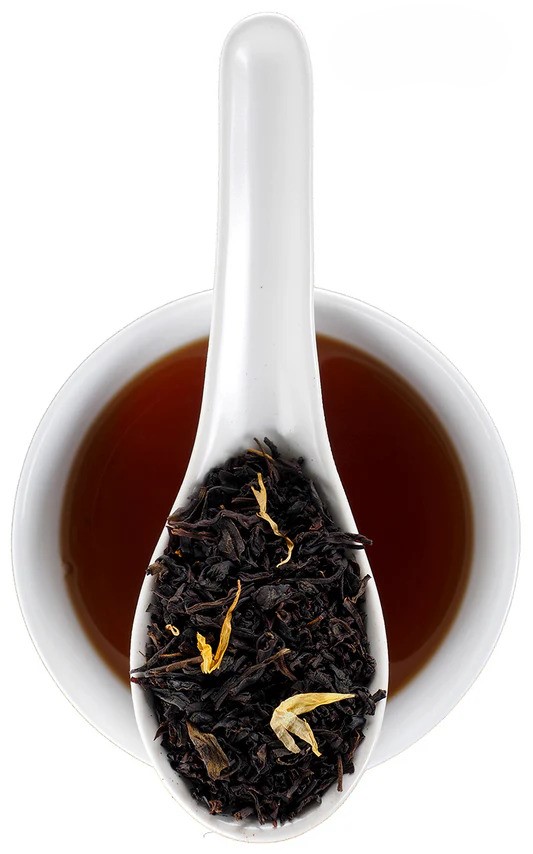
Bourbon
Inspired by Kentucky’s world-famous bourbon heritage, this blend marries bold Chinese Yunnan with smoky Lapsang Souchong to echo the complexity of charred oak barrels. Smooth notes of caramel and vanilla shine through, and while completely alcohol-free, each sip delivers the warmth, sweetness, and layered character bou
$4.00 - $12.00