
Tea and Herbs
Gotu Kola (cut & sifted)
$8.002 oz
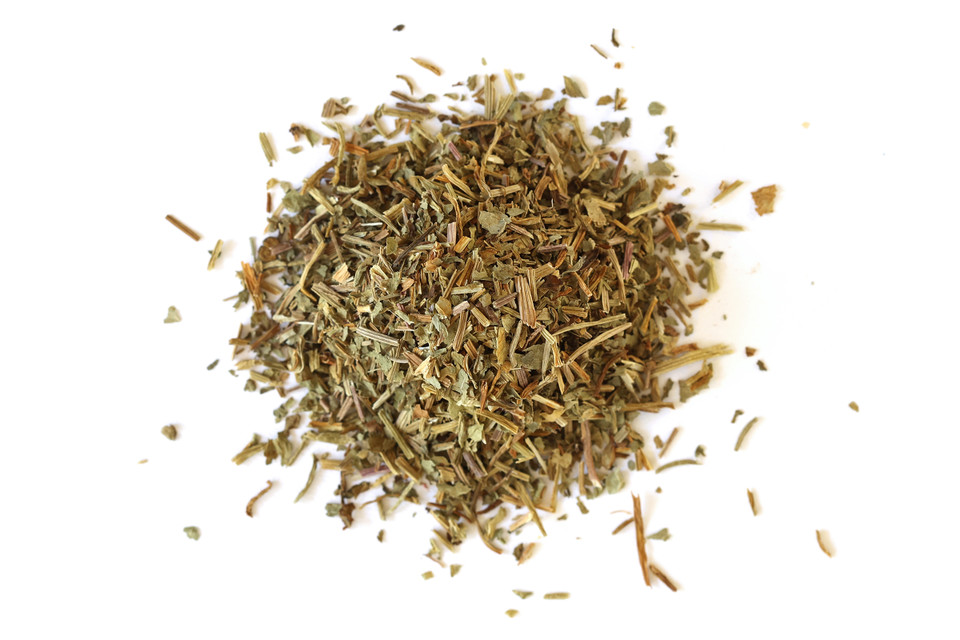
Native to wetlands in Asia, Centella asiatica is distinguished by its low growing, cupped leaves, which are used locally as a culinary vegetable. Gotu Kola leaf is highly regarded in Traditional Chinese Medicine (TCM) and Ayurveda for its healthful effects and as an ally in supporting healthy brain functioning. The dried leaves are typically brewed into gotu kola tea, added into herbal tea blends, and tinctured. Gotu kola is known throughout the Asian world as a potent botanical and a tasty food. It has been utilized for thousands of years in both TCM and Ayurveda for its properties and for its positive effect on memory and focus. Gotu kola supports overall cognitive health.* Other common names for gotu kola include Asiatic pennywort, Indian pennywort, ji xue cao (Chinese), hierba de clavo, sombrerito (Spanish), and mandukaparni. Centella asiatica is a low growing creeping perennial herb that likes hot, moist climates in the South and Southeast Asian tropics. It is native to India, Japan, China, Indonesia, South Africa, Sri Lanka, and the South Pacific. Centella loves to grow near slowly moving water (one of its common names in Ayurveda is ‘mandukaparni’ which means frog-leafed as this plant grows in swampy areas). It has small round bright green leaves with white, light purple or pink flowers, and produces an oval shaped fruit. As a member of the carrot or Apiaceace family, it is related to many other popular foods and spices such as parsley (Petroselinum crispum), cumin (Cuminum cyminum), fennel (Foeniculum vulgare), angelica (Angelica archangelica), and cilantro (Coriandrum sativum). In Spanish is it referred to as ‘sombrerito’ which means little hat and alludes to the shape of the leaf. In the Sri Lankan Singhalese language, ‘gotu kola’ means cup-shaped leaf. In Sri Lanka it is common knowledge that elephants, who have a reputation of a long life and a great memory, eat the plant. The locals follow their example, eating a few leaves a day. Gotu kola could possibly be confused with the caffeine-containing kola nut (Cola nitida), or bacopa (Bacopa monnieri), the latter often sold under the same Ayurvedic name ‘brahmi’ or ‘mandukaparni’. However, gotu kola is certainly not a stimulant like kola nut and is in an entirely different family than bacopa. These two plants are confused however, because, in Ayurveda, they do have similar energetic characteristics. Gotu kola (Centella asiatica) has been used for thousands of years in India, China, and Indonesia. It is used in Ayurveda to soothe mental turbulence. It is one of those herbs that is tri-doshic or brings balance to all three of the Ayurvedic body types, vata, pitta, and kapha. Gotu kola’s ancient use is recorded in the Chinese Shennong Herbal (1st-2nd century CE). It is referred to as ‘the fountain of life’ in China as a legend boasts that a gotu kola-eating herbalist lived for over 200 years. This herb, called ‘ji xue cao’, is used in TCM. It is commonly eaten as a salad green, eaten raw and sold as fresh juice in many Asian countries. Rich in nutrients, gotu kola is a nourishing plant that is sweet and bitter in flavor and is often eaten in a variety of Asian dishes. A typical dish consists of shredded gotu kola leaves, shallots, lime juice, chili, and coconut flakes. Gotu kola is known throughout Asia as for its calming effect. It is considered sweet, bitter, and astringent in taste and energetically cooling. Precautions No known precautions. We recommend that you consult with a qualified healthcare practitioner before using herbal products, particularly if you are pregnant, nursing, or on any medications. *This statement has not been evaluated by the Food and Drug Administration. This product is not intended to diagnose, treat, cure, or prevent any disease. For educational purposes only.
Size
- Packed to order, never sitting on a shelf
- Loose leaf, steeped your way
- $8 flat shipping · free over $100
Details
Native to wetlands in Asia, Centella asiatica is distinguished by its low growing, cupped leaves, which are used locally as a culinary vegetable. Gotu Kola leaf is highly regarded in Traditional Chinese Medicine (TCM) and Ayurveda for its healthful effects and as an ally in supporting healthy brain functioning. The dried leaves are typically brewed into gotu kola tea, added into herbal tea blends, and tinctured. Gotu kola is known throughout the Asian world as a potent botanical and a tasty food. It has been utilized for thousands of years in both TCM and Ayurveda for its properties and for its positive effect on memory and focus. Gotu kola supports overall cognitive health.* Other common names for gotu kola include Asiatic pennywort, Indian pennywort, ji xue cao (Chinese), hierba de clavo, sombrerito (Spanish), and mandukaparni. Centella asiatica is a low growing creeping perennial herb that likes hot, moist climates in the South and Southeast Asian tropics. It is native to India, Japan, China, Indonesia, South Africa, Sri Lanka, and the South Pacific. Centella loves to grow near slowly moving water (one of its common names in Ayurveda is ‘mandukaparni’ which means frog-leafed as this plant grows in swampy areas). It has small round bright green leaves with white, light purple or pink flowers, and produces an oval shaped fruit. As a member of the carrot or Apiaceace family, it is related to many other popular foods and spices such as parsley (Petroselinum crispum), cumin (Cuminum cyminum), fennel (Foeniculum vulgare), angelica (Angelica archangelica), and cilantro (Coriandrum sativum). In Spanish is it referred to as ‘sombrerito’ which means little hat and alludes to the shape of the leaf. In the Sri Lankan Singhalese language, ‘gotu kola’ means cup-shaped leaf. In Sri Lanka it is common knowledge that elephants, who have a reputation of a long life and a great memory, eat the plant. The locals follow their example, eating a few leaves a day. Gotu kola could possibly be confused with the caffeine-containing kola nut (Cola nitida), or bacopa (Bacopa monnieri), the latter often sold under the same Ayurvedic name ‘brahmi’ or ‘mandukaparni’. However, gotu kola is certainly not a stimulant like kola nut and is in an entirely different family than bacopa. These two plants are confused however, because, in Ayurveda, they do have similar energetic characteristics. Gotu kola (Centella asiatica) has been used for thousands of years in India, China, and Indonesia. It is used in Ayurveda to soothe mental turbulence. It is one of those herbs that is tri-doshic or brings balance to all three of the Ayurvedic body types, vata, pitta, and kapha. Gotu kola’s ancient use is recorded in the Chinese Shennong Herbal (1st-2nd century CE). It is referred to as ‘the fountain of life’ in China as a legend boasts that a gotu kola-eating herbalist lived for over 200 years. This herb, called ‘ji xue cao’, is used in TCM. It is commonly eaten as a salad green, eaten raw and sold as fresh juice in many Asian countries. Rich in nutrients, gotu kola is a nourishing plant that is sweet and bitter in flavor and is often eaten in a variety of Asian dishes. A typical dish consists of shredded gotu kola leaves, shallots, lime juice, chili, and coconut flakes. Gotu kola is known throughout Asia as for its calming effect. It is considered sweet, bitter, and astringent in taste and energetically cooling. Precautions No known precautions. We recommend that you consult with a qualified healthcare practitioner before using herbal products, particularly if you are pregnant, nursing, or on any medications. *This statement has not been evaluated by the Food and Drug Administration. This product is not intended to diagnose, treat, cure, or prevent any disease. For educational purposes only.
Brewing
Water 200-212°F. Steep 5-10 minutes. Leaves and flowers need less time; roots and barks often need more. Roots, bark and dense seeds may benefit from a longer steep or a gentle covered simmer.
- Use about 1 level teaspoon of loose tea per 6-8 oz. of water unless the product label says otherwise.
- For blended teas, follow the temperature of the most delicate true-tea base (green/white before black).
Shipping & returns
Packed and shipped within 48 hours. $8 flat rate, free over $100. Something wrong? Call 815-641-7800 and we will make it right.
Want your name on the bag?
You Create IT. You Name IT. You Label IT. Over 5 million flavor combinations.
Build a custom labelCustomers also bought
 Tea and Herbs
Christmas Spice
Cinnamon, cloves, nutmeg and orange blended with black tea. Brewing Instructions:1 level tsp./6 oz serving Steep Time: 4-5 min Temp: 203-212° F Ingredients: Black Tea, N/A Flavoring, Cloves, Cinnamon Pieces and Orange Peels.
$4.00 - $12.00
 Tea and Herbs
Cinnamon Orange Spice
Cinnamon, orange peel, cloves and nutmeg combine to create a spicy tasting cup of tea, sweet without the sugar. Contains Caffeine Brewing Instructions:1 level tsp./6 oz serving Steep Time: 4-5 min Temp: 203-212° F
$4.00 - $12.00
 Tea and Herbs
Colonial Bohea
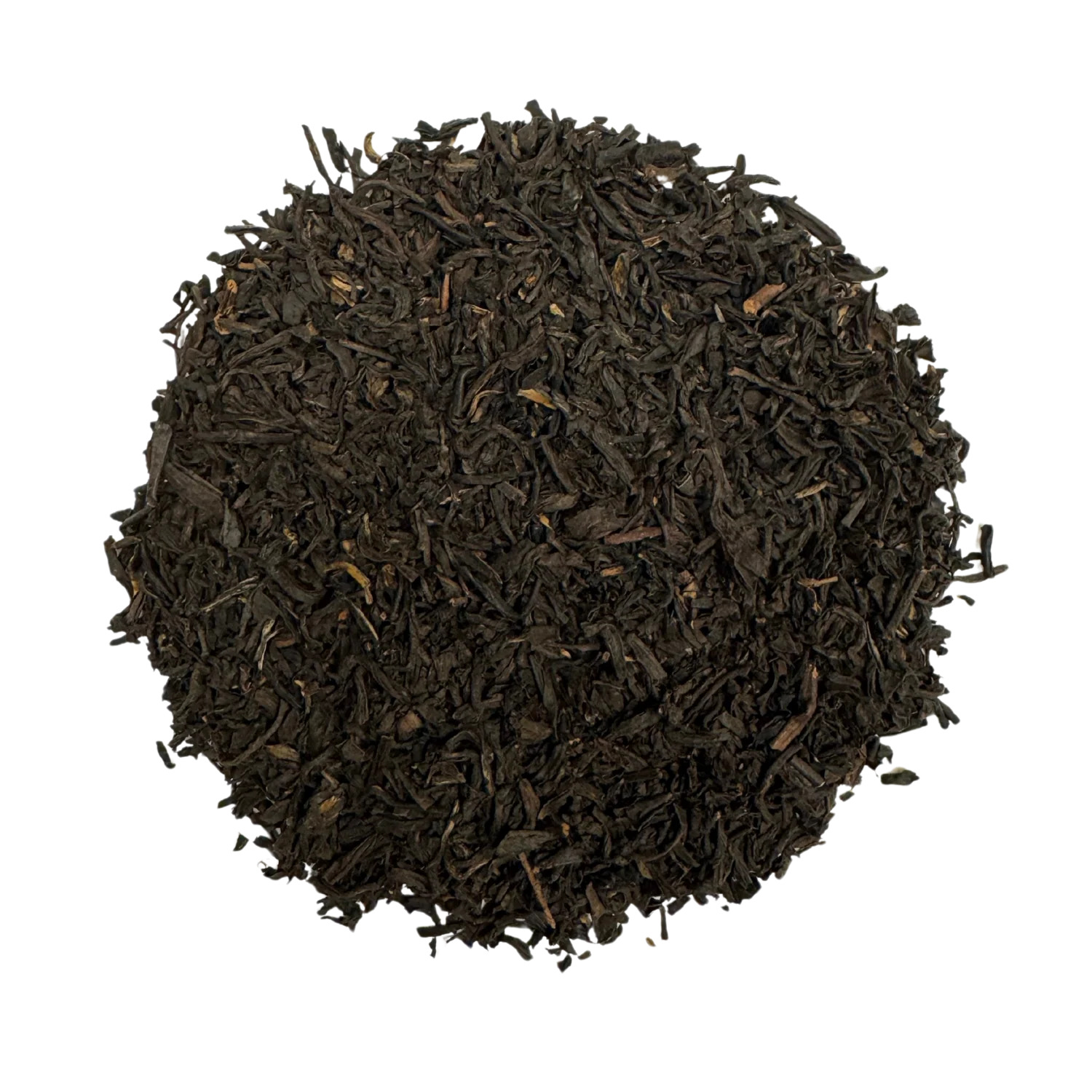
Bohea tea, (pronounced “Boo-hee” – Ukers 510), was by far the largest tea import during colonial times. Sometimes called Bohea Souchong or Lapsang Bohea, the blend originated in China with trade to the British and Dutch East India Companies. It was so popular that the word bohea became the slang term for tea. The blend
$4.00 - $12.00
 Tea and Herbs
Congou
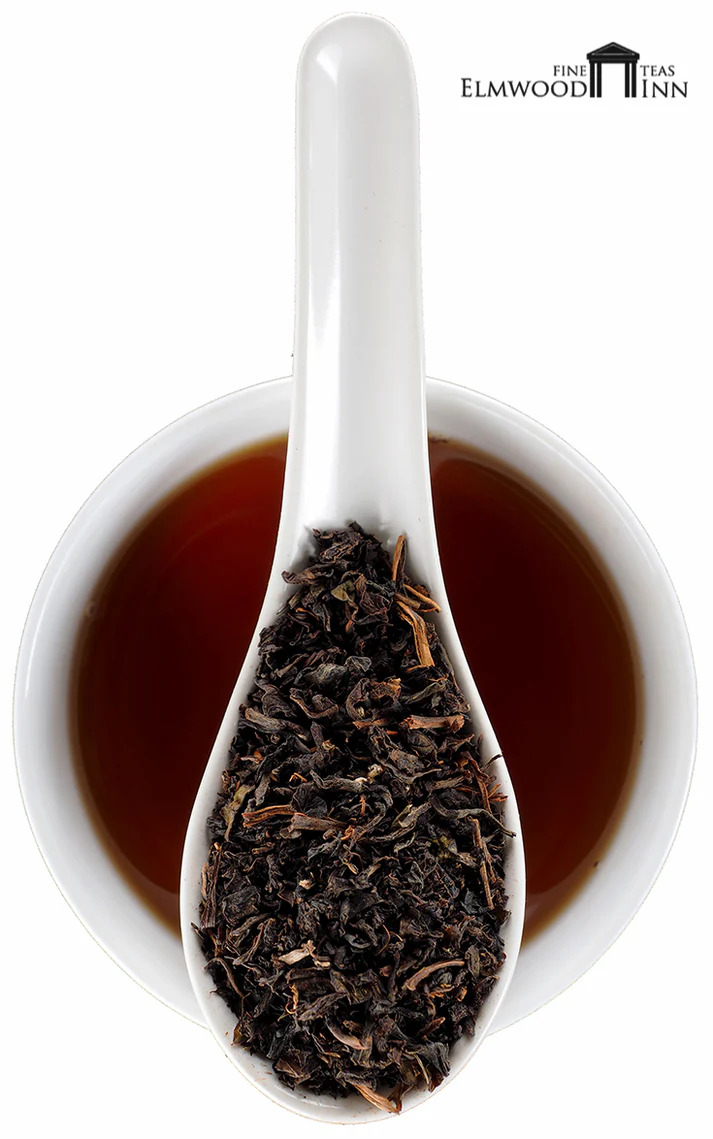
This Chinese black tea was one of the five teas tossed into Boston Harbor on December 16, 1773. Congou was made in a more disciplined manner than the common Bohea black tea and was higher priced. If you are a fan of China’s black teas, such as Keemun, you’ll appreciate this historic and delicious leaf. Brewing Instruct
$4.00 - $12.00
More like this
 Tea and Herbs
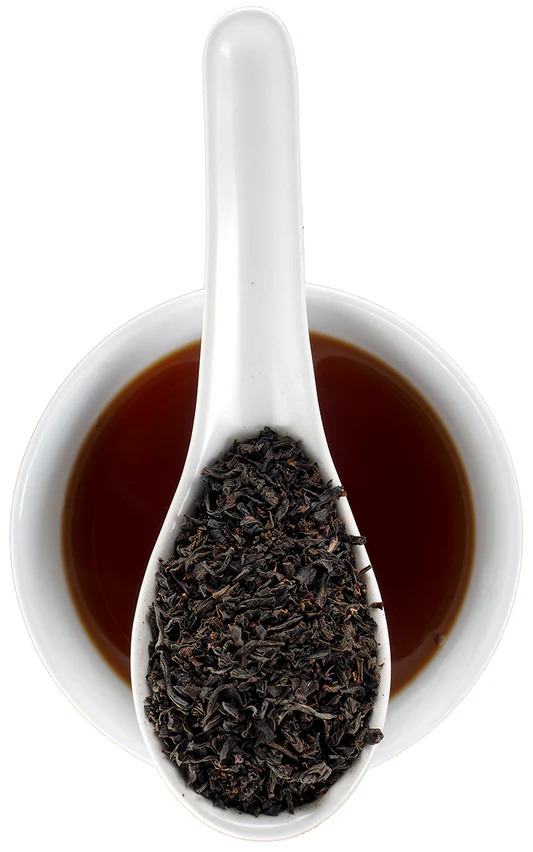
Abigail's Blend
This historic blend of black teas to be reminiscent of the Chinese black teas tossed overboard in 1773 by using teas from across the British Empire, including China, India, and Kenya. If you are a fan of English Breakfast blends – with or without milk – you will love this tea. It also makes a great iced tea. Let’s just
$4.00 - $12.00
 Tea and Herbs
Apricot Black Tea
Imagine being whisked away to a beautiful fresh apricot orchard. The rich, sweet and elegant flavor of apricots is infused with our blend of black teas from Kenya, Ceylon, and Indonesia. Enhanced with dried blossoms that create a refreshing cup of tea. Delicious hot or over ice. Brewing Instructions:1 level tsp./6 oz s
$4.00 - $12.00
Tea and HerbsAssam CTC
This fast-steeping black tea from the organic Dinjoye Gardens in the Assam region of India is known around the world for its full-bodied flavor that combines well with milk. This grade is found in a host of English and Irish morning tea blends. Think of it as comfort food! CTC stands for Cut-Tear-Curl, a process invent
$4.00 - $12.00
 Tea and Herbs
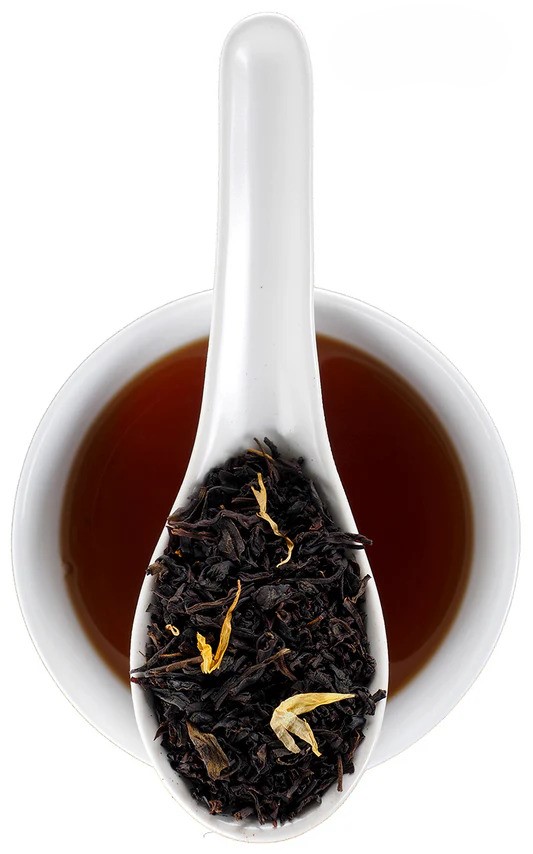
Bourbon
Inspired by Kentucky’s world-famous bourbon heritage, this blend marries bold Chinese Yunnan with smoky Lapsang Souchong to echo the complexity of charred oak barrels. Smooth notes of caramel and vanilla shine through, and while completely alcohol-free, each sip delivers the warmth, sweetness, and layered character bou
$4.00 - $12.00