
Tea and Herbs
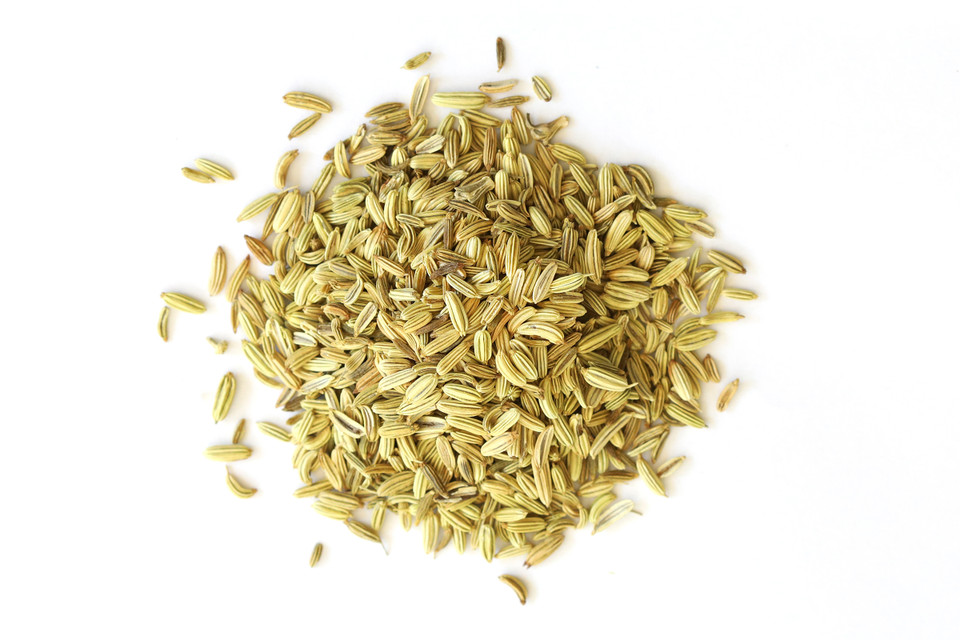
Fennel Seed
$8.002 oz
A popular culinary herb and vegetable throughout European history, fennel continues to be widely consumed today. A member of the Apiaceae family, Foeniculum vulgare hosts umbels of sweet-smelling golden flowers that ripen into a fruit known as fennel seed. Fennel seeds gently support healthy functioning of the digestive system and are often served after meals as fennel tea. Fennel seeds are used by incorporating their aromatics and flavor in a host of culinary dishes and can also be used in herbal tea blends or for tincturing. Fennel seed supports healthy digestion and was traditionally used to relieve occasional gas and bloating.* Fennel was highly valued in the ancient world by Romans, Greeks, Egyptians, Chinese, and Indians for its value as a carminative, expectorant, and as a talisman used in various rituals. Fennel is a food plant that can be eaten as a vegetable, is prized as a tasty aromatic spice for a variety of Ayurvedic and Mediterranean dishes and is used as a flavoring in various liqueurs such as gin and absinthe. Due to fennel’s gentle nature, it is used to support digestion in infants and children and can be given to nursing mothers. Fennel can be an annual, biennial, or perennial plant that can grow up to 6 feet tall, has bright yellow umbrella shaped flowers typical of those in the Apiaceae (Umbelliferae) family, and green feathery leaves that are similar to those of its cousin dill (Anetheum graveolens). Continually utilized since the time of Hippocrates and later cultivated by the Romans, fennel has a rich history based on its properties as a food and spice, digestive stimulant, and a sacred ritual object. The original Greek name for fennel was ‘marathon’ or marathos which meant ‘to grow thin’ due to the use of the fennel seed by athletes to control their weight. The place of the famous “Battle of Marathon” was a plain in East Attica where fennel grew abundantly. Fennel was sprouted as part of a ritual honoring Adonis, the lover of the Greek goddess Aphrodite. In ceremonies honoring Dionysus (Bacchus), a thyrsus (a wand or staff of giant fennel with ivy vines and leaves, wound with ribbons and topped with a pine cone) was tossed around while dancing as a symbol of prosperity, fertility, and pleasure in general. Pliny the Elder, an ancient Roman historian believed fennel supported the ability to see clearly; this belief is also mentioned in a variety of Ayurvedic texts (system of Indian traditional healing). Further, in medieval times, it was believed that if grown around the home, or hung above windows and doorways on Midsummer’s Eve, fennel would protect the inhabitants and ward off evil. Various preparations and uses of fennel were recorded in Spain as far back as 961 B.C.E, and there are many references to this herb in historical poetry such as in Milton’s Paradise Lost where he refers to the “smell of sweetest fennel.” In Traditional Chinese Medicine (TCM), fennel (or xiao hui xiang) was powdered and made into a poultice for snakebites. In TCM, fennel demonstrates aromatic and warming properties and effects the liver, kidney, spleen, and stomach meridians (energetic pathways) and is therefore administered to increase appetite, quell nausea, and to allay occasional bloating. In Ayurveda, fennel is called ‘samf’ or ‘saunf’, ‘madhurika’, or ‘shatapushpa’ (amongst other names) and believed to taste bitter, pungent, and sweet. It is considered neutral to slightly warming energetically and balancing to all three of the constitutional body types (vata, pitta, and kapha). It is considered to be one of the best carminatives and has been utilized to relieve gas and enhance digestion. Fennel is considered nourishing to the brain and eyes and calming to the spirit. In various countries in the Mediterranean, particularly Italy and France, the leaves are put into salads, sauces, and puddings. Roman bakers put fennel under their loaves while baking in order to make the bread taste better, and perhaps to make it more digestable. Nicholas Culpepper (a 17th century botanist, avid astrologer, physician, and herbalist) wrote in his Complete Herbal that fennel should be boiled alongside fish in order to make it easier to digest. In North America, fennel was used by the Cherokee as a carminative and thus administered to soothe digestion in infants and was also given to women during childbirth. The Pomo Indians used fennel as an eyewash and a digestive aid and the Hopi used fennel as a tobacco substitute for smoking. In recent times, fennel is utilized mostly in the same way that it has been for thousands of years. It is an incredibly helpful digestive aid, an effective expectorant, a delicious food and spice, and may stimulate normal milk production in nursing mothers. Precautions No known precautions. We recommend that you consult with a qualified healthcare practitioner before using herbal products, particularly if you are pregnant, nursing, or on any medications. *This statement has not been evaluated by the Food and Drug Administration. This product is not intended to diagnose, treat, cure, or prevent any disease. For educational purposes only.
Size
- Packed to order, never sitting on a shelf
- Loose leaf, steeped your way
- $8 flat shipping · free over $100
Details
A popular culinary herb and vegetable throughout European history, fennel continues to be widely consumed today. A member of the Apiaceae family, Foeniculum vulgare hosts umbels of sweet-smelling golden flowers that ripen into a fruit known as fennel seed. Fennel seeds gently support healthy functioning of the digestive system and are often served after meals as fennel tea. Fennel seeds are used by incorporating their aromatics and flavor in a host of culinary dishes and can also be used in herbal tea blends or for tincturing. Fennel seed supports healthy digestion and was traditionally used to relieve occasional gas and bloating.* Fennel was highly valued in the ancient world by Romans, Greeks, Egyptians, Chinese, and Indians for its value as a carminative, expectorant, and as a talisman used in various rituals. Fennel is a food plant that can be eaten as a vegetable, is prized as a tasty aromatic spice for a variety of Ayurvedic and Mediterranean dishes and is used as a flavoring in various liqueurs such as gin and absinthe. Due to fennel’s gentle nature, it is used to support digestion in infants and children and can be given to nursing mothers. Fennel can be an annual, biennial, or perennial plant that can grow up to 6 feet tall, has bright yellow umbrella shaped flowers typical of those in the Apiaceae (Umbelliferae) family, and green feathery leaves that are similar to those of its cousin dill (Anetheum graveolens). Continually utilized since the time of Hippocrates and later cultivated by the Romans, fennel has a rich history based on its properties as a food and spice, digestive stimulant, and a sacred ritual object. The original Greek name for fennel was ‘marathon’ or marathos which meant ‘to grow thin’ due to the use of the fennel seed by athletes to control their weight. The place of the famous “Battle of Marathon” was a plain in East Attica where fennel grew abundantly. Fennel was sprouted as part of a ritual honoring Adonis, the lover of the Greek goddess Aphrodite. In ceremonies honoring Dionysus (Bacchus), a thyrsus (a wand or staff of giant fennel with ivy vines and leaves, wound with ribbons and topped with a pine cone) was tossed around while dancing as a symbol of prosperity, fertility, and pleasure in general. Pliny the Elder, an ancient Roman historian believed fennel supported the ability to see clearly; this belief is also mentioned in a variety of Ayurvedic texts (system of Indian traditional healing). Further, in medieval times, it was believed that if grown around the home, or hung above windows and doorways on Midsummer’s Eve, fennel would protect the inhabitants and ward off evil. Various preparations and uses of fennel were recorded in Spain as far back as 961 B.C.E, and there are many references to this herb in historical poetry such as in Milton’s Paradise Lost where he refers to the “smell of sweetest fennel.” In Traditional Chinese Medicine (TCM), fennel (or xiao hui xiang) was powdered and made into a poultice for snakebites. In TCM, fennel demonstrates aromatic and warming properties and effects the liver, kidney, spleen, and stomach meridians (energetic pathways) and is therefore administered to increase appetite, quell nausea, and to allay occasional bloating. In Ayurveda, fennel is called ‘samf’ or ‘saunf’, ‘madhurika’, or ‘shatapushpa’ (amongst other names) and believed to taste bitter, pungent, and sweet. It is considered neutral to slightly warming energetically and balancing to all three of the constitutional body types (vata, pitta, and kapha). It is considered to be one of the best carminatives and has been utilized to relieve gas and enhance digestion. Fennel is considered nourishing to the brain and eyes and calming to the spirit. In various countries in the Mediterranean, particularly Italy and France, the leaves are put into salads, sauces, and puddings. Roman bakers put fennel under their loaves while baking in order to make the bread taste better, and perhaps to make it more digestable. Nicholas Culpepper (a 17th century botanist, avid astrologer, physician, and herbalist) wrote in his Complete Herbal that fennel should be boiled alongside fish in order to make it easier to digest. In North America, fennel was used by the Cherokee as a carminative and thus administered to soothe digestion in infants and was also given to women during childbirth. The Pomo Indians used fennel as an eyewash and a digestive aid and the Hopi used fennel as a tobacco substitute for smoking. In recent times, fennel is utilized mostly in the same way that it has been for thousands of years. It is an incredibly helpful digestive aid, an effective expectorant, a delicious food and spice, and may stimulate normal milk production in nursing mothers. Precautions No known precautions. We recommend that you consult with a qualified healthcare practitioner before using herbal products, particularly if you are pregnant, nursing, or on any medications. *This statement has not been evaluated by the Food and Drug Administration. This product is not intended to diagnose, treat, cure, or prevent any disease. For educational purposes only.
Brewing
Water 200-212°F. Steep 5-10 minutes. Leaves and flowers need less time; roots and barks often need more. Roots, bark and dense seeds may benefit from a longer steep or a gentle covered simmer.
- Use about 1 level teaspoon of loose tea per 6-8 oz. of water unless the product label says otherwise.
- For blended teas, follow the temperature of the most delicate true-tea base (green/white before black).
Shipping & returns
Packed and shipped within 48 hours. $8 flat rate, free over $100. Something wrong? Call 815-641-7800 and we will make it right.
Want your name on the bag?
You Create IT. You Name IT. You Label IT. Over 5 million flavor combinations.
Build a custom labelCustomers also bought
 Tea and Herbs
Christmas Spice
Cinnamon, cloves, nutmeg and orange blended with black tea. Brewing Instructions:1 level tsp./6 oz serving Steep Time: 4-5 min Temp: 203-212° F Ingredients: Black Tea, N/A Flavoring, Cloves, Cinnamon Pieces and Orange Peels.
$4.00 - $12.00
 Tea and Herbs
Cinnamon Orange Spice
Cinnamon, orange peel, cloves and nutmeg combine to create a spicy tasting cup of tea, sweet without the sugar. Contains Caffeine Brewing Instructions:1 level tsp./6 oz serving Steep Time: 4-5 min Temp: 203-212° F
$4.00 - $12.00
 Tea and Herbs
Colonial Bohea
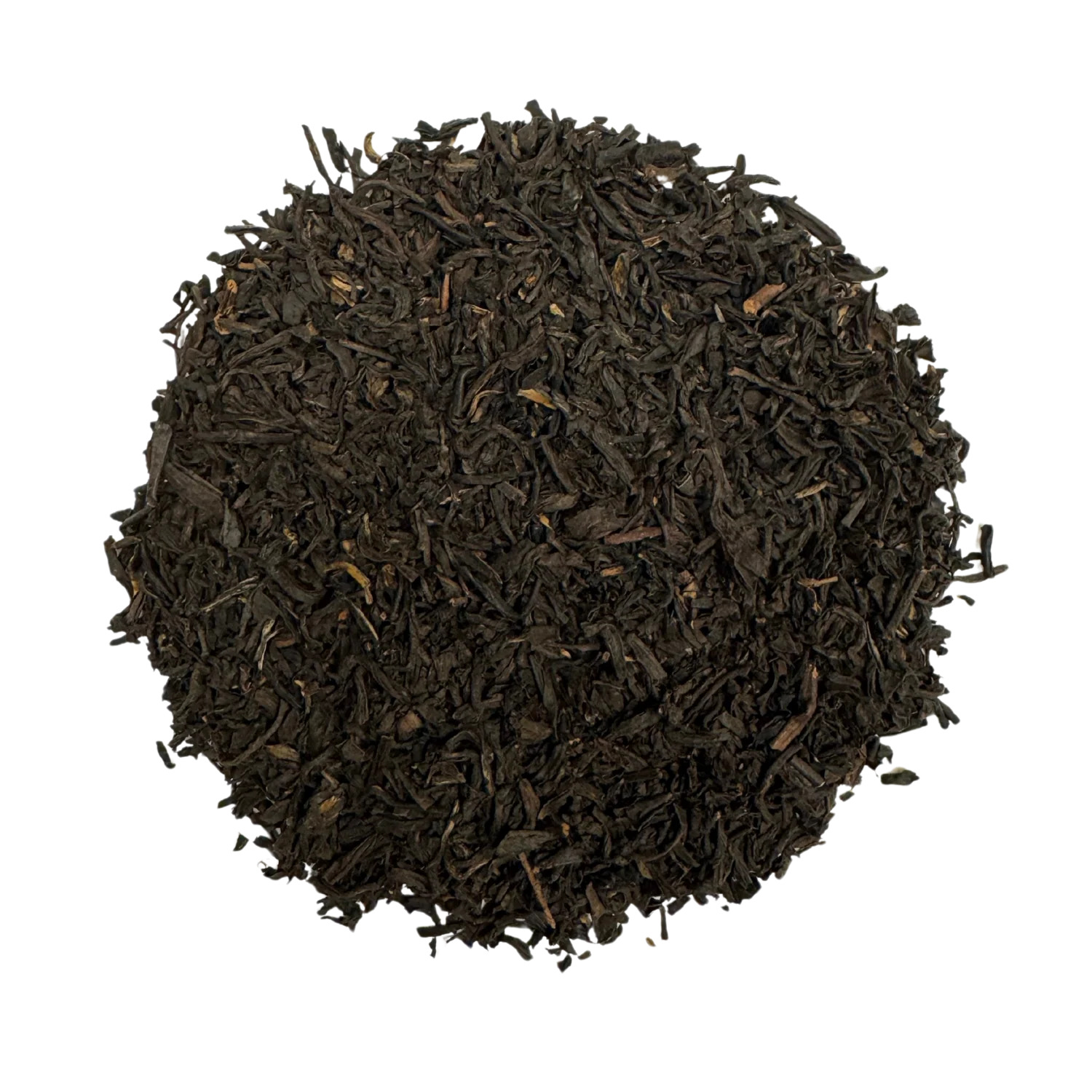
Bohea tea, (pronounced “Boo-hee” – Ukers 510), was by far the largest tea import during colonial times. Sometimes called Bohea Souchong or Lapsang Bohea, the blend originated in China with trade to the British and Dutch East India Companies. It was so popular that the word bohea became the slang term for tea. The blend
$4.00 - $12.00
 Tea and Herbs
Congou
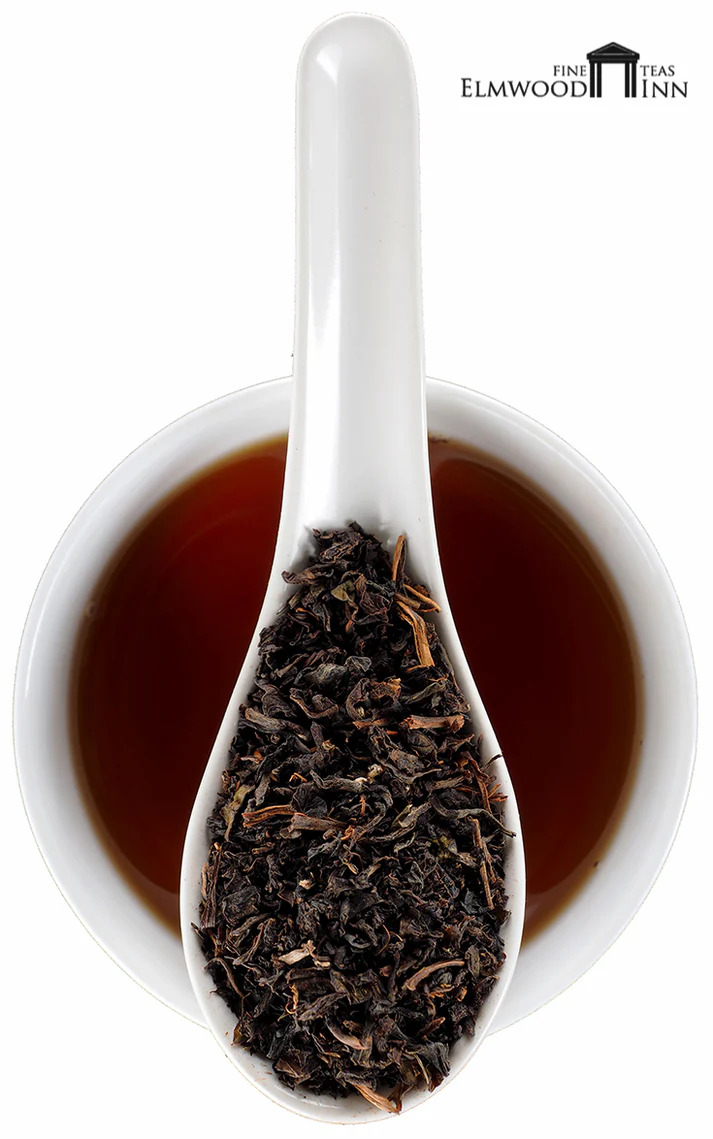
This Chinese black tea was one of the five teas tossed into Boston Harbor on December 16, 1773. Congou was made in a more disciplined manner than the common Bohea black tea and was higher priced. If you are a fan of China’s black teas, such as Keemun, you’ll appreciate this historic and delicious leaf. Brewing Instruct
$4.00 - $12.00
More like this
 Tea and Herbs
Abigail's Blend
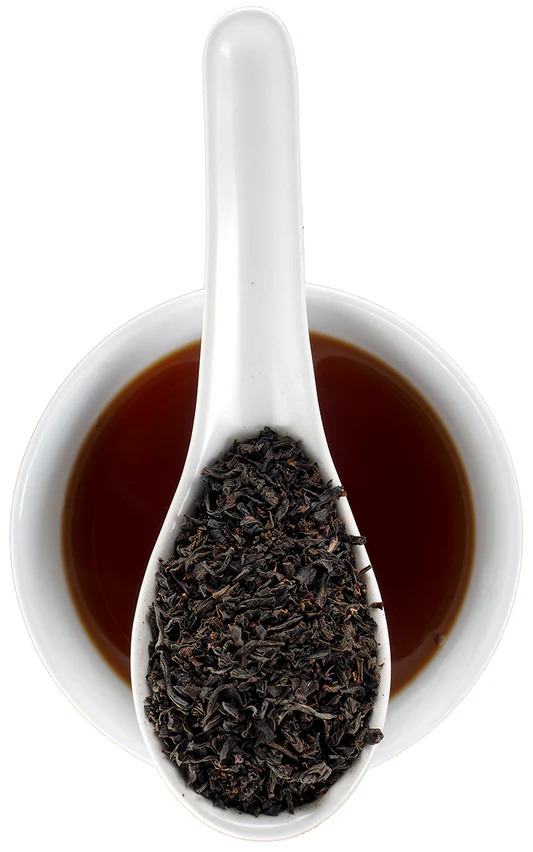
This historic blend of black teas to be reminiscent of the Chinese black teas tossed overboard in 1773 by using teas from across the British Empire, including China, India, and Kenya. If you are a fan of English Breakfast blends – with or without milk – you will love this tea. It also makes a great iced tea. Let’s just
$4.00 - $12.00
 Tea and Herbs
Apricot Black Tea
Imagine being whisked away to a beautiful fresh apricot orchard. The rich, sweet and elegant flavor of apricots is infused with our blend of black teas from Kenya, Ceylon, and Indonesia. Enhanced with dried blossoms that create a refreshing cup of tea. Delicious hot or over ice. Brewing Instructions:1 level tsp./6 oz s
$4.00 - $12.00
Tea and HerbsAssam CTC
This fast-steeping black tea from the organic Dinjoye Gardens in the Assam region of India is known around the world for its full-bodied flavor that combines well with milk. This grade is found in a host of English and Irish morning tea blends. Think of it as comfort food! CTC stands for Cut-Tear-Curl, a process invent
$4.00 - $12.00
 Tea and Herbs
Bourbon
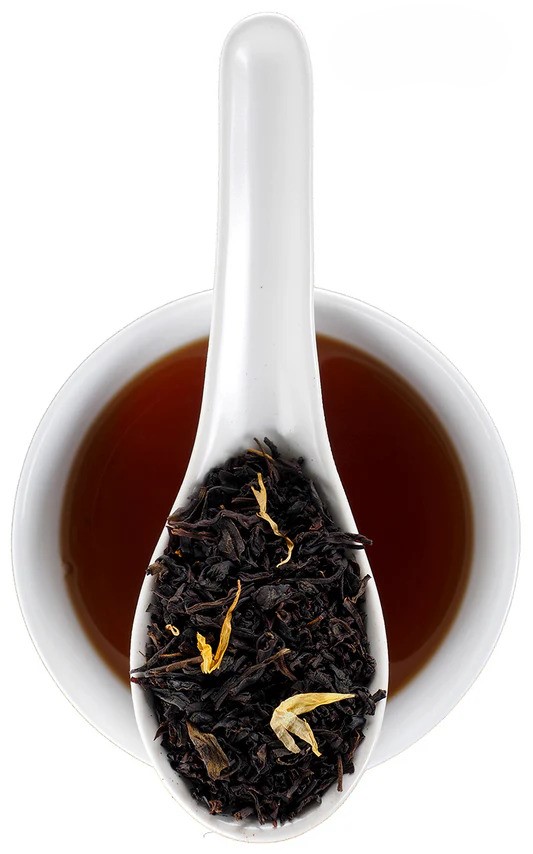
Inspired by Kentucky’s world-famous bourbon heritage, this blend marries bold Chinese Yunnan with smoky Lapsang Souchong to echo the complexity of charred oak barrels. Smooth notes of caramel and vanilla shine through, and while completely alcohol-free, each sip delivers the warmth, sweetness, and layered character bou
$4.00 - $12.00