
Tea and Herbs
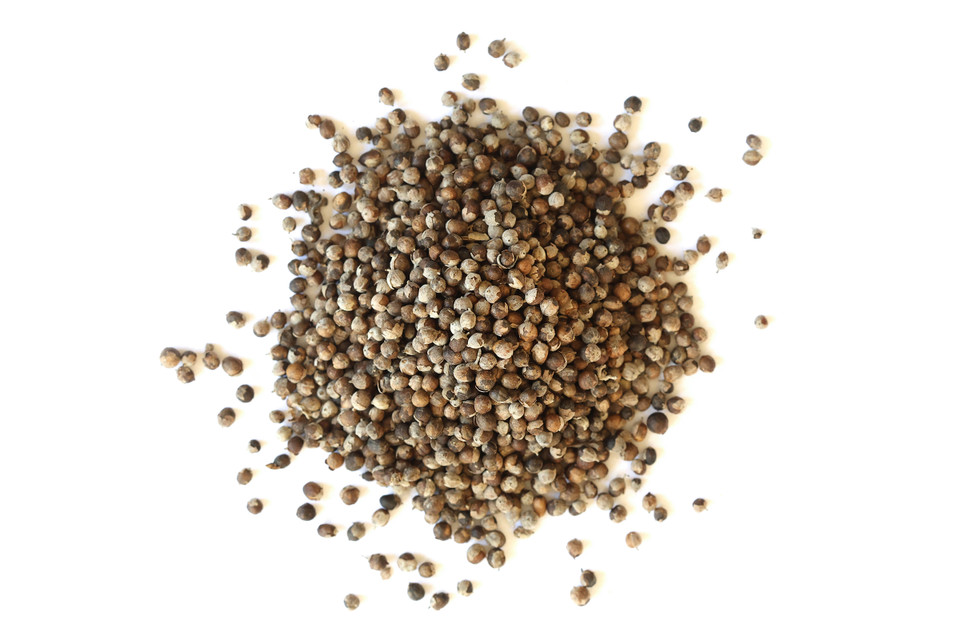
Chaste Berry (whole) Vitex Berry
$8.002 oz
Native to the Mediterranean, Vitex agnus-castus now grows in temperate regions throughout the world. Vitex is often referred to as chaste tree, taking its name from Greek legends associating the tree with chastity and faithfulness. Vitex berry has been used in traditional European herbalism for reproductive support for thousands of years. The dried fruit, also called chasteberry, can be brewed as an herbal tea, tinctured, or cracked and sprinkled over food for a peppery spice. Vitex supports physical and emotional health during a woman’s menstrual cycle and in the transition into menopause.* The chaste tree is a small shrub with lance shaped leaves and purple flowers. It is native to the eastern Mediterranean and has since been cultivated in temperate climates around the world. Its peppery fruit has been used for over two thousand years; at least since the time of the Greek physician Dioscorides who recommended it to help the wives of soldiers remain chaste while their husbands were in battle. The vitex berry was used by both men and women in ancient Greece and Rome, and by monks during the Middle Ages in order to suppress sexual desire. Pliny the Elder noted that Athenian maidens would put the leaves under their beds during the festival of Thesmophoria to help preserve their chastity. Whole dried fruits are usually used as a tincture, however, may be cracked and sprinkled on food, producing a slight pepper taste or as a tea infusion. Another common name for vitex is monk’s pepper. It belongs to the Verbenaceae plant family. Precautions Vitex berry is not recommended for use with hormonal contraceptives. We recommend that you consult with a qualified healthcare practitioner before using herbal products, particularly if you are pregnant, nursing, or on any medications. *This statement has not been evaluated by the Food and Drug Administration. This product is not intended to diagnose, treat, cure, or prevent any disease. For educational purposes only.
Size
- Packed to order, never sitting on a shelf
- Loose leaf, steeped your way
- $8 flat shipping · free over $100
Details
Native to the Mediterranean, Vitex agnus-castus now grows in temperate regions throughout the world. Vitex is often referred to as chaste tree, taking its name from Greek legends associating the tree with chastity and faithfulness. Vitex berry has been used in traditional European herbalism for reproductive support for thousands of years. The dried fruit, also called chasteberry, can be brewed as an herbal tea, tinctured, or cracked and sprinkled over food for a peppery spice. Vitex supports physical and emotional health during a woman’s menstrual cycle and in the transition into menopause.* The chaste tree is a small shrub with lance shaped leaves and purple flowers. It is native to the eastern Mediterranean and has since been cultivated in temperate climates around the world. Its peppery fruit has been used for over two thousand years; at least since the time of the Greek physician Dioscorides who recommended it to help the wives of soldiers remain chaste while their husbands were in battle. The vitex berry was used by both men and women in ancient Greece and Rome, and by monks during the Middle Ages in order to suppress sexual desire. Pliny the Elder noted that Athenian maidens would put the leaves under their beds during the festival of Thesmophoria to help preserve their chastity. Whole dried fruits are usually used as a tincture, however, may be cracked and sprinkled on food, producing a slight pepper taste or as a tea infusion. Another common name for vitex is monk’s pepper. It belongs to the Verbenaceae plant family. Precautions Vitex berry is not recommended for use with hormonal contraceptives. We recommend that you consult with a qualified healthcare practitioner before using herbal products, particularly if you are pregnant, nursing, or on any medications. *This statement has not been evaluated by the Food and Drug Administration. This product is not intended to diagnose, treat, cure, or prevent any disease. For educational purposes only.
Brewing
Water 200-212°F. Steep 5-10 minutes. Leaves and flowers need less time; roots and barks often need more. Roots, bark and dense seeds may benefit from a longer steep or a gentle covered simmer.
- Use about 1 level teaspoon of loose tea per 6-8 oz. of water unless the product label says otherwise.
- For blended teas, follow the temperature of the most delicate true-tea base (green/white before black).
Shipping & returns
Packed and shipped within 48 hours. $8 flat rate, free over $100. Something wrong? Call 815-641-7800 and we will make it right.
Want your name on the bag?
You Create IT. You Name IT. You Label IT. Over 5 million flavor combinations.
Build a custom labelCustomers also bought
 Tea and Herbs
Christmas Spice
Cinnamon, cloves, nutmeg and orange blended with black tea. Brewing Instructions:1 level tsp./6 oz serving Steep Time: 4-5 min Temp: 203-212° F Ingredients: Black Tea, N/A Flavoring, Cloves, Cinnamon Pieces and Orange Peels.
$4.00 - $12.00
 Tea and Herbs
Cinnamon Orange Spice
Cinnamon, orange peel, cloves and nutmeg combine to create a spicy tasting cup of tea, sweet without the sugar. Contains Caffeine Brewing Instructions:1 level tsp./6 oz serving Steep Time: 4-5 min Temp: 203-212° F
$4.00 - $12.00
 Tea and Herbs
Colonial Bohea
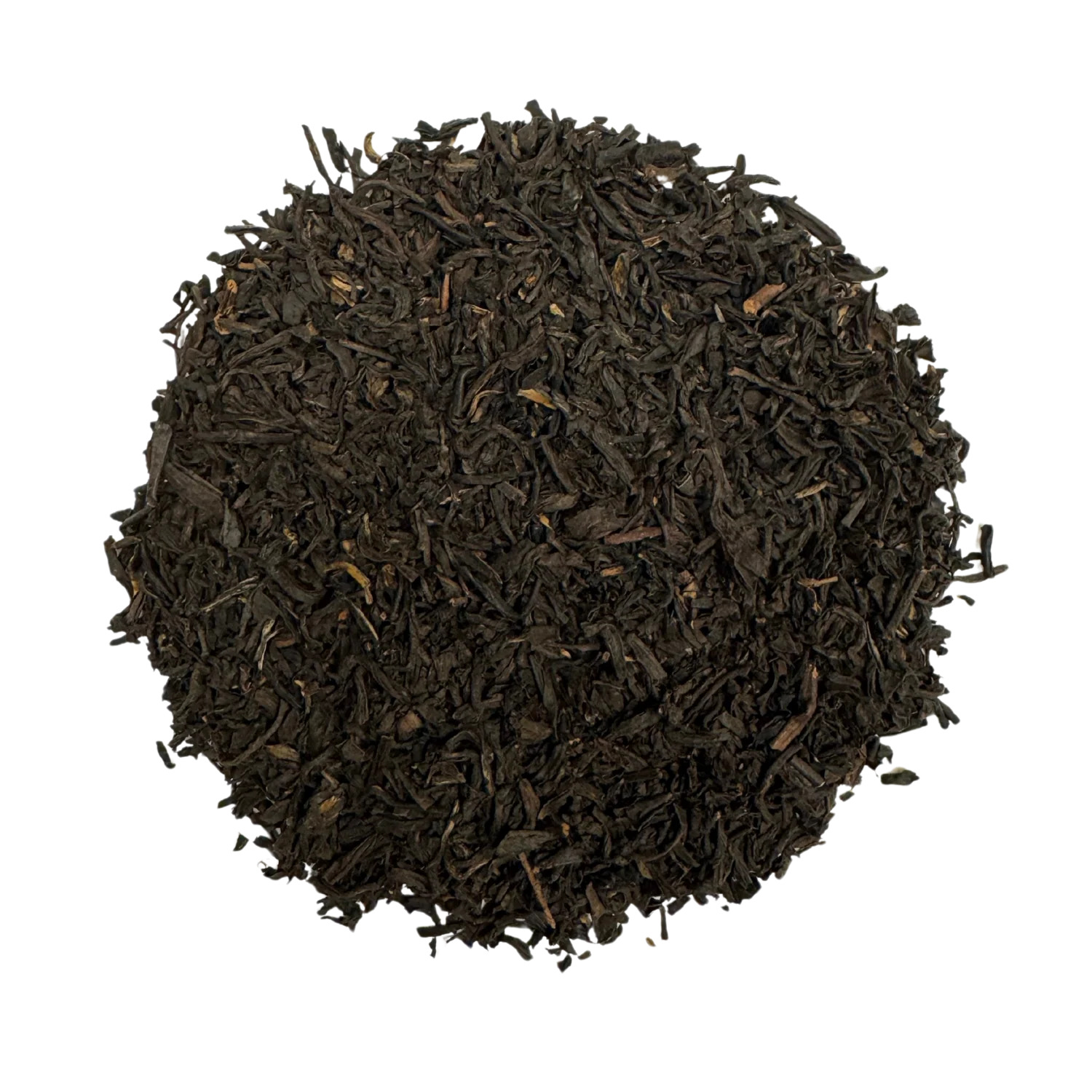
Bohea tea, (pronounced “Boo-hee” – Ukers 510), was by far the largest tea import during colonial times. Sometimes called Bohea Souchong or Lapsang Bohea, the blend originated in China with trade to the British and Dutch East India Companies. It was so popular that the word bohea became the slang term for tea. The blend
$4.00 - $12.00
 Tea and Herbs
Congou
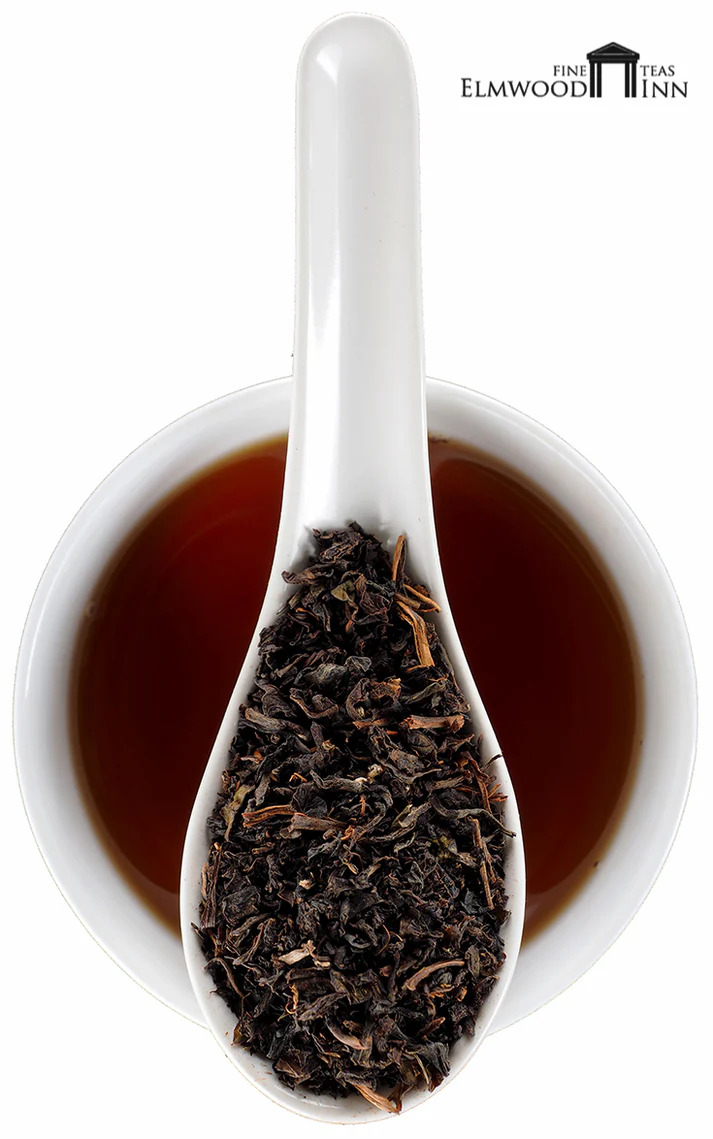
This Chinese black tea was one of the five teas tossed into Boston Harbor on December 16, 1773. Congou was made in a more disciplined manner than the common Bohea black tea and was higher priced. If you are a fan of China’s black teas, such as Keemun, you’ll appreciate this historic and delicious leaf. Brewing Instruct
$4.00 - $12.00
More like this
 Tea and Herbs
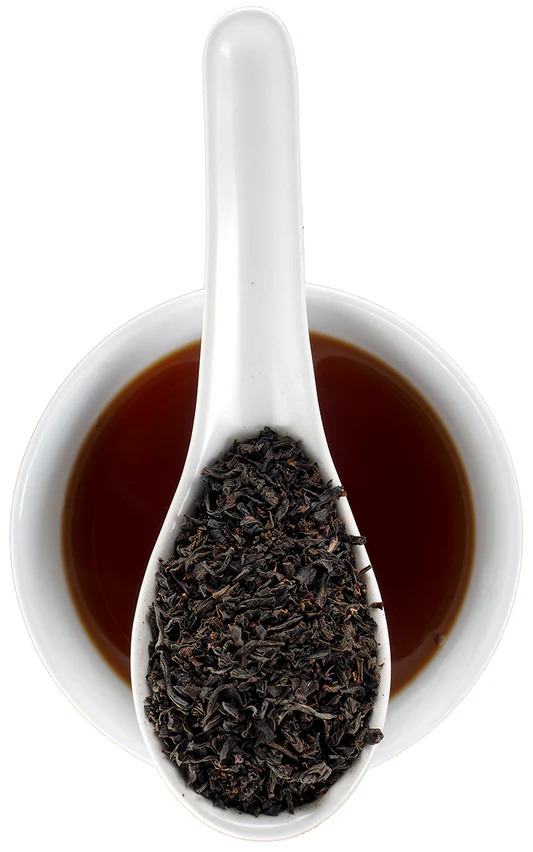
Abigail's Blend
This historic blend of black teas to be reminiscent of the Chinese black teas tossed overboard in 1773 by using teas from across the British Empire, including China, India, and Kenya. If you are a fan of English Breakfast blends – with or without milk – you will love this tea. It also makes a great iced tea. Let’s just
$4.00 - $12.00
 Tea and Herbs
Apricot Black Tea
Imagine being whisked away to a beautiful fresh apricot orchard. The rich, sweet and elegant flavor of apricots is infused with our blend of black teas from Kenya, Ceylon, and Indonesia. Enhanced with dried blossoms that create a refreshing cup of tea. Delicious hot or over ice. Brewing Instructions:1 level tsp./6 oz s
$4.00 - $12.00
Tea and HerbsAssam CTC
This fast-steeping black tea from the organic Dinjoye Gardens in the Assam region of India is known around the world for its full-bodied flavor that combines well with milk. This grade is found in a host of English and Irish morning tea blends. Think of it as comfort food! CTC stands for Cut-Tear-Curl, a process invent
$4.00 - $12.00
 Tea and Herbs
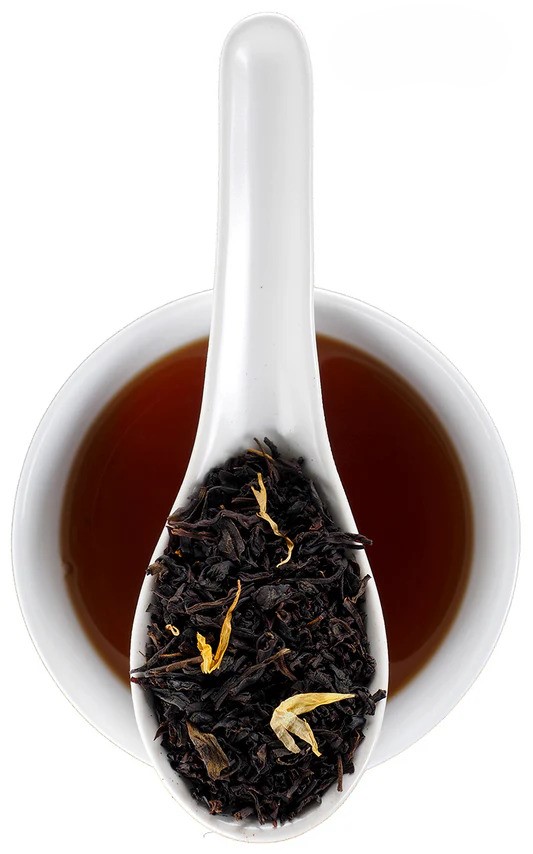
Bourbon
Inspired by Kentucky’s world-famous bourbon heritage, this blend marries bold Chinese Yunnan with smoky Lapsang Souchong to echo the complexity of charred oak barrels. Smooth notes of caramel and vanilla shine through, and while completely alcohol-free, each sip delivers the warmth, sweetness, and layered character bou
$4.00 - $12.00