
Tea and Herbs
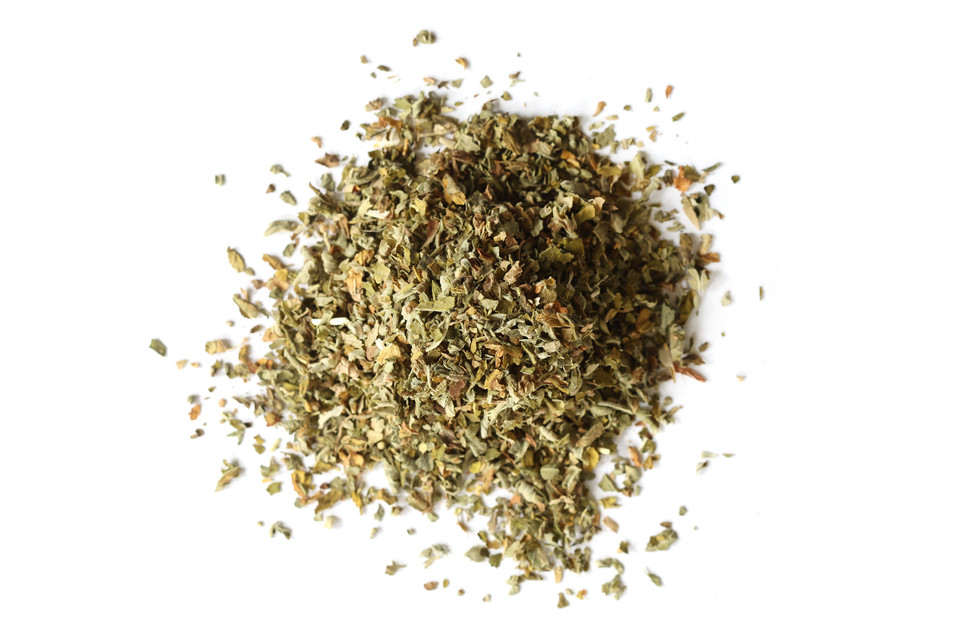
Cat Nip
$8.002 oz
Catnip is well known for its gentle and calming properties as it has been employed in traditional western folk practices for centuries. Nepeta cataria is a member of the mint family and features a square stem, heart-shaped leaves, and small fragrant pink to white flowers on a terminal spike. The leaves can be tinctured, steeped into a relaxing catnip tea, and added to herbal tea blends. The ultimate feline herb, for centuries cats have been going crazy over this plant. It makes them happy and spunky yet has a more calming effect on people. Catnip has been used in European folk medicine for generations as a calming agent for body and mind. It is gentle and is very useful for children and infants. Catnip is a gray-green perennial with the square stems and terminal flower spikes typical of the Mint or Lamiaceae family. It has fuzzy, heart-shaped, toothed leaves and grows 2-3 feet tall. It is native to the dry and temperate Mediterranean area in Europe, Asia, and Africa, and was introduced to the many parts of the world, particularly North America, by European settlers, and is now widely naturalized and cultivated extensively in gardens and for commerce. Used in traditional medicine in Europe for centuries, and first mentioned in the poetic 11th century herbal, De viribus herbarum, catnip was prized for its ability to calm occasional nervousness and promote restful sleep. It was employed as a relaxant and diaphoretic and was thus helpful in cases of occasional restlessness Considered extremely useful for children, it was often used to support healthy digestion and soothe the stomach. Further, it was applied externally as a poultice. Catnip may be made into a juice too for topical application as was the practice by Nicholas Culpepper (a 17th century botanist, avid astrologer, physician, and herbalist). It is mainly the flowering tops, dried for tea or fresh as an essential oil that are used, but there are accounts of the root being used too. According to Maude Grieve, author of A Modern Herbal (which isn’t really that modern anymore as it was published in 1931) the root can be overstimulating, so perhaps its best to stick with the above ground parts. The leaves and young shoots were added to sauces and stews for flavor (which somewhat resemble a mix of mint and pennyroyal). Catnip was part of American folk medicine and Native American healing systems and employed as a gentle tea for children in cases of occasional upset stomach or sleeplessness. Catnip was used by the Hoh, Delaware, and Iroquois tribes for children’s complaints due to its mild nature. The Cherokee used the plant similarly to other indigenous groups and also considered it to be an overall strengthening tonic. They chose this herb when a relaxant was needed in cases of irritability or sleeplessness, just like the Europeans. In the southwestern United States, catnip or ‘nebada’ amongst the Spanish speakers, was utilized in traditional folk medicine to allay a range of digestive challenges. It was considered particularly useful for soothing the stomach and enhancing digestion in infants. Also, it was sold as a brandy infusion with ‘hinojo’ or fennel as a digestive tonic. Catnip is useful for soothing stomach complaints and therefore good in a laxative formula with harsh herbs like senna. Some herbalists find it helpful to balance physical manifestations such as occasional indigestion that stem from emotional issues or the “gut level”. This herb is energetically considered to be slightly warming and thus useful as a diaphoretic to bring on perspiration. One version of an old adage regarding the relationship between cats and catnip is this: ‘If you set it, the cats will eat it. If you sow it, the cats don’t know it.’ This folk myth suggests that when plants are grown from seed, or ‘sown’ cats don’t bother the plant, but when they are transplanted, cats will destroy it. The feline’s attraction to this plant is curious indeed, and in fact, referred to as the “the catnip response.” It is not just observed in domesticated housecats, but also in jaguars, tigers, leopards, lions, and several other large cats. It elicits behaviors such as chewing and head shaking, rolling around on the floor, and even arouses sexual desire; this response lasts from fifteen minutes to one hour. They are responding to the scent of nepetalactone in catnip, the aromatherapeutic element being more powerful than taking it internally. Precautions No known precautions. We recommend that you consult with a qualified healthcare practitioner before using herbal products, particularly if you are pregnant, nursing, or on any medications. This information has not been evaluated by the Food and Drug Administration. This product is not intended to diagnose, treat, cure, or prevent any disease. For educational purposes only.
Size
- Packed to order, never sitting on a shelf
- Loose leaf, steeped your way
- $8 flat shipping · free over $100
Details
Catnip is well known for its gentle and calming properties as it has been employed in traditional western folk practices for centuries. Nepeta cataria is a member of the mint family and features a square stem, heart-shaped leaves, and small fragrant pink to white flowers on a terminal spike. The leaves can be tinctured, steeped into a relaxing catnip tea, and added to herbal tea blends. The ultimate feline herb, for centuries cats have been going crazy over this plant. It makes them happy and spunky yet has a more calming effect on people. Catnip has been used in European folk medicine for generations as a calming agent for body and mind. It is gentle and is very useful for children and infants. Catnip is a gray-green perennial with the square stems and terminal flower spikes typical of the Mint or Lamiaceae family. It has fuzzy, heart-shaped, toothed leaves and grows 2-3 feet tall. It is native to the dry and temperate Mediterranean area in Europe, Asia, and Africa, and was introduced to the many parts of the world, particularly North America, by European settlers, and is now widely naturalized and cultivated extensively in gardens and for commerce. Used in traditional medicine in Europe for centuries, and first mentioned in the poetic 11th century herbal, De viribus herbarum, catnip was prized for its ability to calm occasional nervousness and promote restful sleep. It was employed as a relaxant and diaphoretic and was thus helpful in cases of occasional restlessness Considered extremely useful for children, it was often used to support healthy digestion and soothe the stomach. Further, it was applied externally as a poultice. Catnip may be made into a juice too for topical application as was the practice by Nicholas Culpepper (a 17th century botanist, avid astrologer, physician, and herbalist). It is mainly the flowering tops, dried for tea or fresh as an essential oil that are used, but there are accounts of the root being used too. According to Maude Grieve, author of A Modern Herbal (which isn’t really that modern anymore as it was published in 1931) the root can be overstimulating, so perhaps its best to stick with the above ground parts. The leaves and young shoots were added to sauces and stews for flavor (which somewhat resemble a mix of mint and pennyroyal). Catnip was part of American folk medicine and Native American healing systems and employed as a gentle tea for children in cases of occasional upset stomach or sleeplessness. Catnip was used by the Hoh, Delaware, and Iroquois tribes for children’s complaints due to its mild nature. The Cherokee used the plant similarly to other indigenous groups and also considered it to be an overall strengthening tonic. They chose this herb when a relaxant was needed in cases of irritability or sleeplessness, just like the Europeans. In the southwestern United States, catnip or ‘nebada’ amongst the Spanish speakers, was utilized in traditional folk medicine to allay a range of digestive challenges. It was considered particularly useful for soothing the stomach and enhancing digestion in infants. Also, it was sold as a brandy infusion with ‘hinojo’ or fennel as a digestive tonic. Catnip is useful for soothing stomach complaints and therefore good in a laxative formula with harsh herbs like senna. Some herbalists find it helpful to balance physical manifestations such as occasional indigestion that stem from emotional issues or the “gut level”. This herb is energetically considered to be slightly warming and thus useful as a diaphoretic to bring on perspiration. One version of an old adage regarding the relationship between cats and catnip is this: ‘If you set it, the cats will eat it. If you sow it, the cats don’t know it.’ This folk myth suggests that when plants are grown from seed, or ‘sown’ cats don’t bother the plant, but when they are transplanted, cats will destroy it. The feline’s attraction to this plant is curious indeed, and in fact, referred to as the “the catnip response.” It is not just observed in domesticated housecats, but also in jaguars, tigers, leopards, lions, and several other large cats. It elicits behaviors such as chewing and head shaking, rolling around on the floor, and even arouses sexual desire; this response lasts from fifteen minutes to one hour. They are responding to the scent of nepetalactone in catnip, the aromatherapeutic element being more powerful than taking it internally. Precautions No known precautions. We recommend that you consult with a qualified healthcare practitioner before using herbal products, particularly if you are pregnant, nursing, or on any medications. This information has not been evaluated by the Food and Drug Administration. This product is not intended to diagnose, treat, cure, or prevent any disease. For educational purposes only.
Brewing
Water 200-212°F. Steep 5-10 minutes. Leaves and flowers need less time; roots and barks often need more. Roots, bark and dense seeds may benefit from a longer steep or a gentle covered simmer.
- Use about 1 level teaspoon of loose tea per 6-8 oz. of water unless the product label says otherwise.
- For blended teas, follow the temperature of the most delicate true-tea base (green/white before black).
Shipping & returns
Packed and shipped within 48 hours. $8 flat rate, free over $100. Something wrong? Call 815-641-7800 and we will make it right.
Want your name on the bag?
You Create IT. You Name IT. You Label IT. Over 5 million flavor combinations.
Build a custom labelCustomers also bought
 Tea and Herbs
Christmas Spice
Cinnamon, cloves, nutmeg and orange blended with black tea. Brewing Instructions:1 level tsp./6 oz serving Steep Time: 4-5 min Temp: 203-212° F Ingredients: Black Tea, N/A Flavoring, Cloves, Cinnamon Pieces and Orange Peels.
$4.00 - $12.00
 Tea and Herbs
Cinnamon Orange Spice
Cinnamon, orange peel, cloves and nutmeg combine to create a spicy tasting cup of tea, sweet without the sugar. Contains Caffeine Brewing Instructions:1 level tsp./6 oz serving Steep Time: 4-5 min Temp: 203-212° F
$4.00 - $12.00
 Tea and Herbs
Colonial Bohea
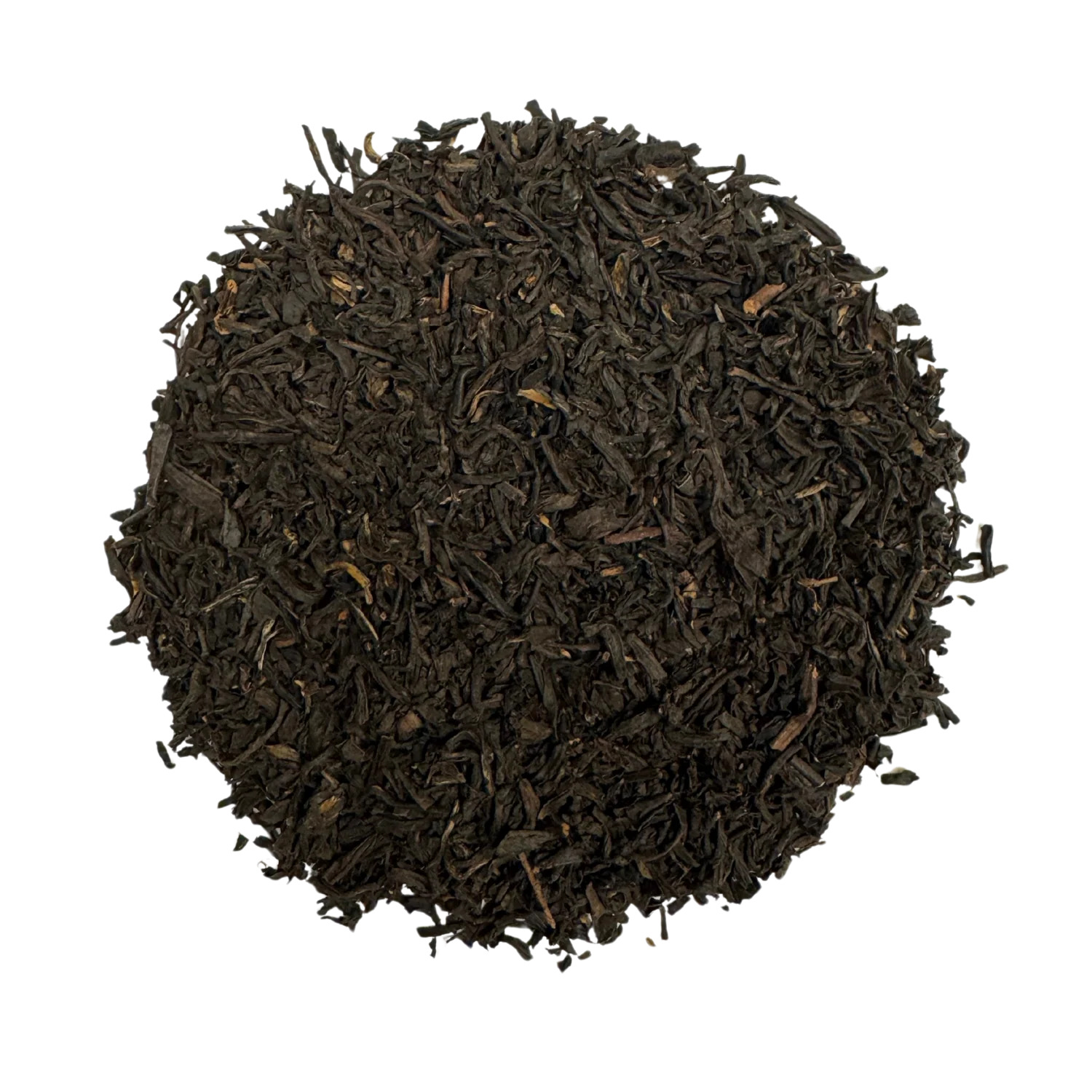
Bohea tea, (pronounced “Boo-hee” – Ukers 510), was by far the largest tea import during colonial times. Sometimes called Bohea Souchong or Lapsang Bohea, the blend originated in China with trade to the British and Dutch East India Companies. It was so popular that the word bohea became the slang term for tea. The blend
$4.00 - $12.00
 Tea and Herbs
Congou
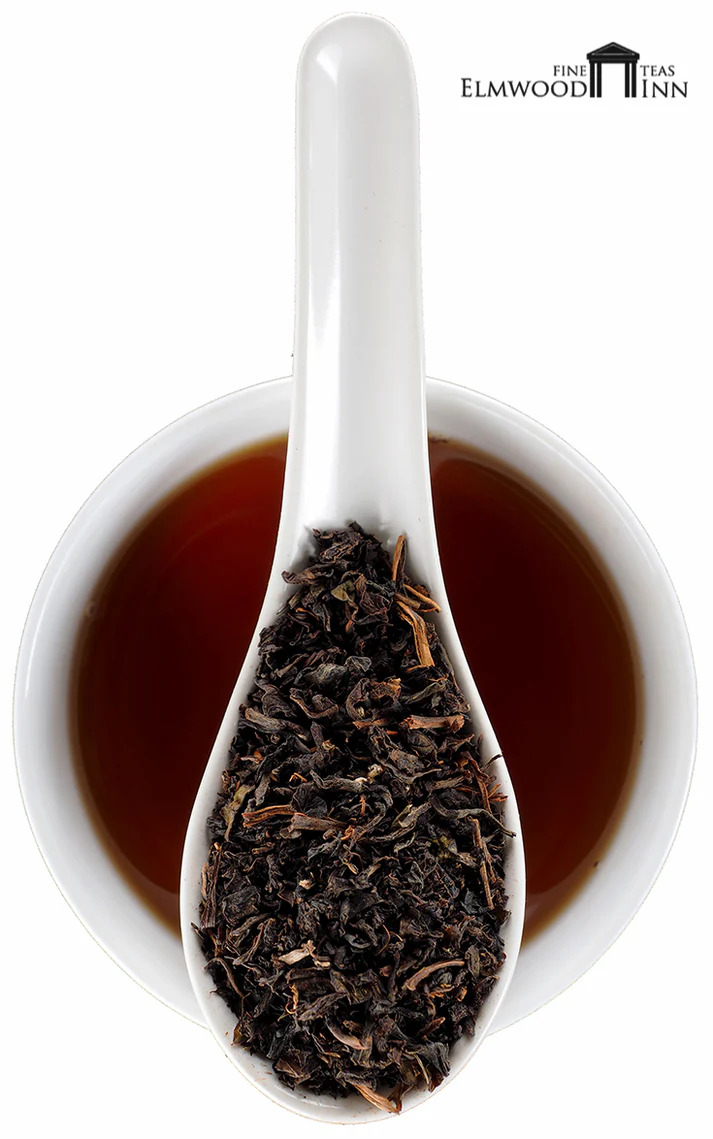
This Chinese black tea was one of the five teas tossed into Boston Harbor on December 16, 1773. Congou was made in a more disciplined manner than the common Bohea black tea and was higher priced. If you are a fan of China’s black teas, such as Keemun, you’ll appreciate this historic and delicious leaf. Brewing Instruct
$4.00 - $12.00
More like this
 Tea and Herbs
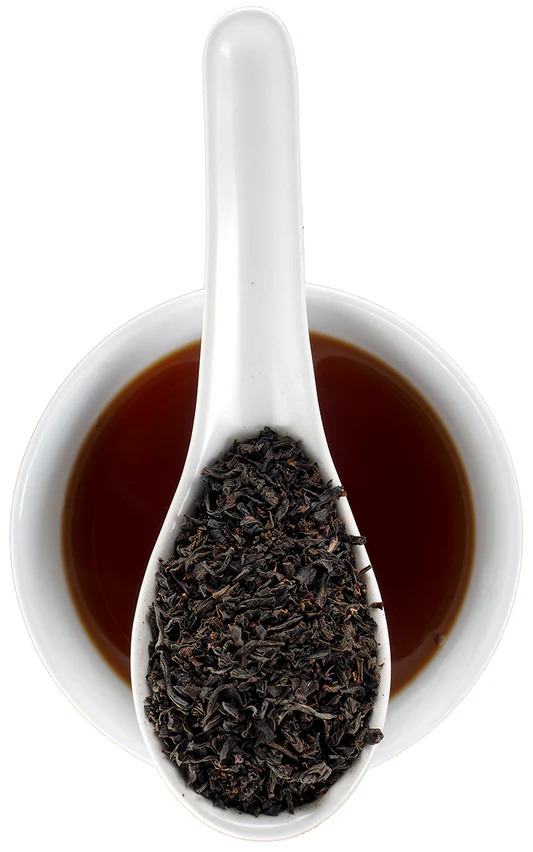
Abigail's Blend
This historic blend of black teas to be reminiscent of the Chinese black teas tossed overboard in 1773 by using teas from across the British Empire, including China, India, and Kenya. If you are a fan of English Breakfast blends – with or without milk – you will love this tea. It also makes a great iced tea. Let’s just
$4.00 - $12.00
 Tea and Herbs
Apricot Black Tea
Imagine being whisked away to a beautiful fresh apricot orchard. The rich, sweet and elegant flavor of apricots is infused with our blend of black teas from Kenya, Ceylon, and Indonesia. Enhanced with dried blossoms that create a refreshing cup of tea. Delicious hot or over ice. Brewing Instructions:1 level tsp./6 oz s
$4.00 - $12.00
Tea and HerbsAssam CTC
This fast-steeping black tea from the organic Dinjoye Gardens in the Assam region of India is known around the world for its full-bodied flavor that combines well with milk. This grade is found in a host of English and Irish morning tea blends. Think of it as comfort food! CTC stands for Cut-Tear-Curl, a process invent
$4.00 - $12.00
 Tea and Herbs
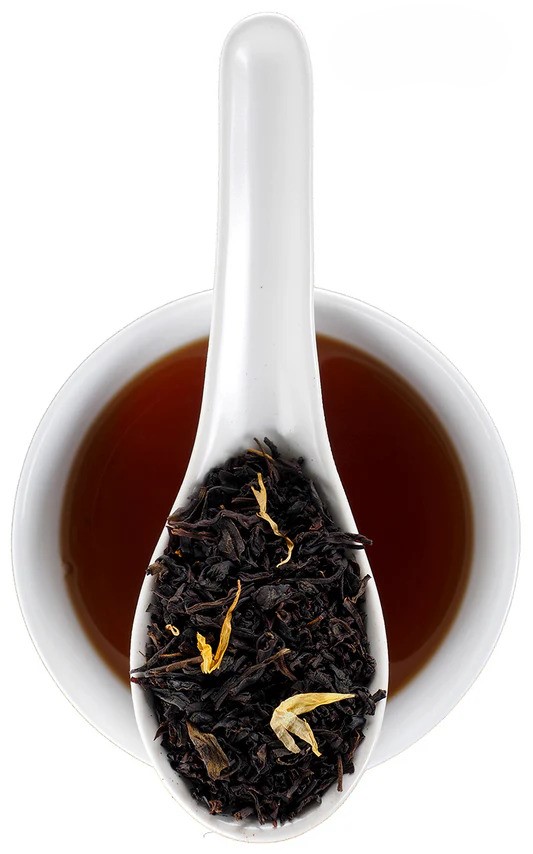
Bourbon
Inspired by Kentucky’s world-famous bourbon heritage, this blend marries bold Chinese Yunnan with smoky Lapsang Souchong to echo the complexity of charred oak barrels. Smooth notes of caramel and vanilla shine through, and while completely alcohol-free, each sip delivers the warmth, sweetness, and layered character bou
$4.00 - $12.00