
Tea and Herbs
Bentonite Clay
$8.002 oz
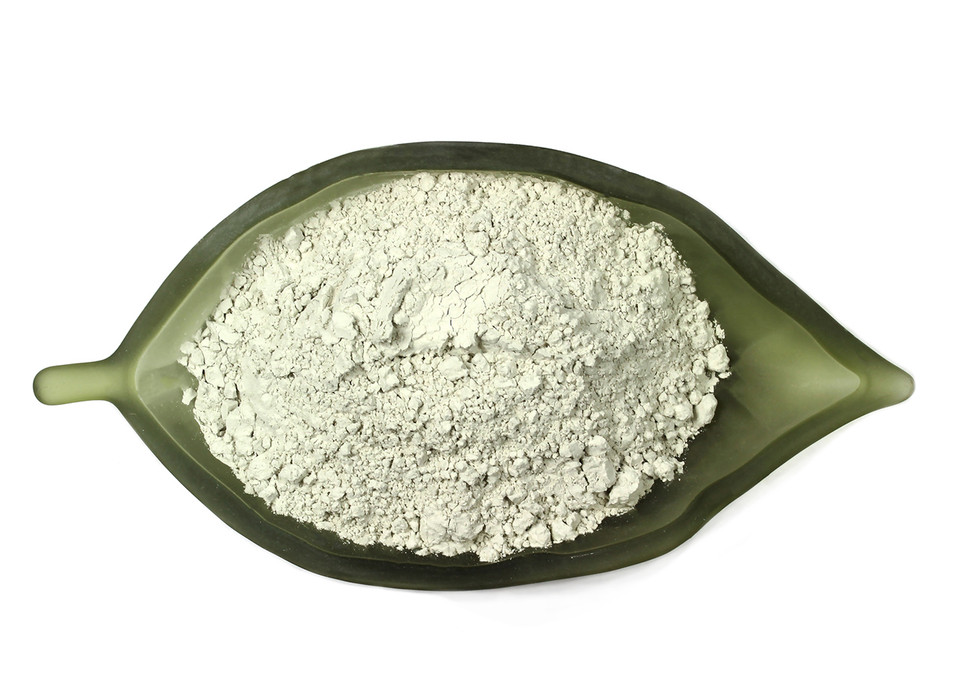
Bentonite is one of our most popular clays and comes from naturally occurring volcanic ash sediments here in the United States. Bentonite, also referred to as Montmorillonite, can be used externally as a clay poultice, mud pack, or in skin care recipes. Our bentonite clay has an off-white color when dry and has a remarkably soft, finely grained texture and is off-white in color. When this clay is wet the smooth sticky paste is easy to spread, an indication of the high quality. Due to the fine texture of the dry powder, our bentonite clay uses less liquid to make a smooth cosmetic paste. The line of bentonite offered by Mountain Rose Herbs is a USP grade “sodium bentonite,” which is quarry collected from naturally occurring deposits and is untreated. Bentonite clay is sedimentary clay composed of weathered and aged volcanic ash. Our bentonite is certified with the Organic Materials Review Institute (OMRI) for use in organic production. Bentonite is usually collected from deposits that can range anywhere from 100 feet to several thousand feet. After being gathered from the earth, it is brought out into the sun to remove excess moisture and make it easier to work with. After the initial drying it gets processed (ground) with huge hydraulic crushers, and it then goes through the final process of micronization, or “fine granulating.” Due to natural variation the size and consistency of the clay particles will vary. Bentonite is very unusual in the fact that once it becomes hydrated, the electrical and molecular components of the clay rapidly change and produce an electrical charge. It is a swelling clay, and when it becomes mixed with water it rapidly swells open like a highly porous sponge. Though indigenous cultures have used this clay internally for wellness, our bentonite clay is sold for external use only. Intended Use: Cosmetic use only pH: 8.5 -10.5 Storage: Under proper storage conditions clay may store indefinitely This information has not been evaluated by the Food and Drug Administration. This product is not intended to diagnose, treat, cure, or prevent any disease. For educational purposes only.
Size
- Packed to order, never sitting on a shelf
- Loose leaf, steeped your way
- $8 flat shipping · free over $100
Details
Bentonite is one of our most popular clays and comes from naturally occurring volcanic ash sediments here in the United States. Bentonite, also referred to as Montmorillonite, can be used externally as a clay poultice, mud pack, or in skin care recipes. Our bentonite clay has an off-white color when dry and has a remarkably soft, finely grained texture and is off-white in color. When this clay is wet the smooth sticky paste is easy to spread, an indication of the high quality. Due to the fine texture of the dry powder, our bentonite clay uses less liquid to make a smooth cosmetic paste. The line of bentonite offered by Mountain Rose Herbs is a USP grade “sodium bentonite,” which is quarry collected from naturally occurring deposits and is untreated. Bentonite clay is sedimentary clay composed of weathered and aged volcanic ash. Our bentonite is certified with the Organic Materials Review Institute (OMRI) for use in organic production. Bentonite is usually collected from deposits that can range anywhere from 100 feet to several thousand feet. After being gathered from the earth, it is brought out into the sun to remove excess moisture and make it easier to work with. After the initial drying it gets processed (ground) with huge hydraulic crushers, and it then goes through the final process of micronization, or “fine granulating.” Due to natural variation the size and consistency of the clay particles will vary. Bentonite is very unusual in the fact that once it becomes hydrated, the electrical and molecular components of the clay rapidly change and produce an electrical charge. It is a swelling clay, and when it becomes mixed with water it rapidly swells open like a highly porous sponge. Though indigenous cultures have used this clay internally for wellness, our bentonite clay is sold for external use only. Intended Use: Cosmetic use only pH: 8.5 -10.5 Storage: Under proper storage conditions clay may store indefinitely This information has not been evaluated by the Food and Drug Administration. This product is not intended to diagnose, treat, cure, or prevent any disease. For educational purposes only.
Brewing
Water 200-212°F. Steep 5-10 minutes. Leaves and flowers need less time; roots and barks often need more. Roots, bark and dense seeds may benefit from a longer steep or a gentle covered simmer.
- Use about 1 level teaspoon of loose tea per 6-8 oz. of water unless the product label says otherwise.
- For blended teas, follow the temperature of the most delicate true-tea base (green/white before black).
Shipping & returns
Packed and shipped within 48 hours. $8 flat rate, free over $100. Something wrong? Call 815-641-7800 and we will make it right.
Want your name on the bag?
You Create IT. You Name IT. You Label IT. Over 5 million flavor combinations.
Build a custom labelCustomers also bought
 Tea and Herbs
Christmas Spice
Cinnamon, cloves, nutmeg and orange blended with black tea. Brewing Instructions:1 level tsp./6 oz serving Steep Time: 4-5 min Temp: 203-212° F Ingredients: Black Tea, N/A Flavoring, Cloves, Cinnamon Pieces and Orange Peels.
$4.00 - $12.00
 Tea and Herbs
Cinnamon Orange Spice
Cinnamon, orange peel, cloves and nutmeg combine to create a spicy tasting cup of tea, sweet without the sugar. Contains Caffeine Brewing Instructions:1 level tsp./6 oz serving Steep Time: 4-5 min Temp: 203-212° F
$4.00 - $12.00
 Tea and Herbs
Colonial Bohea
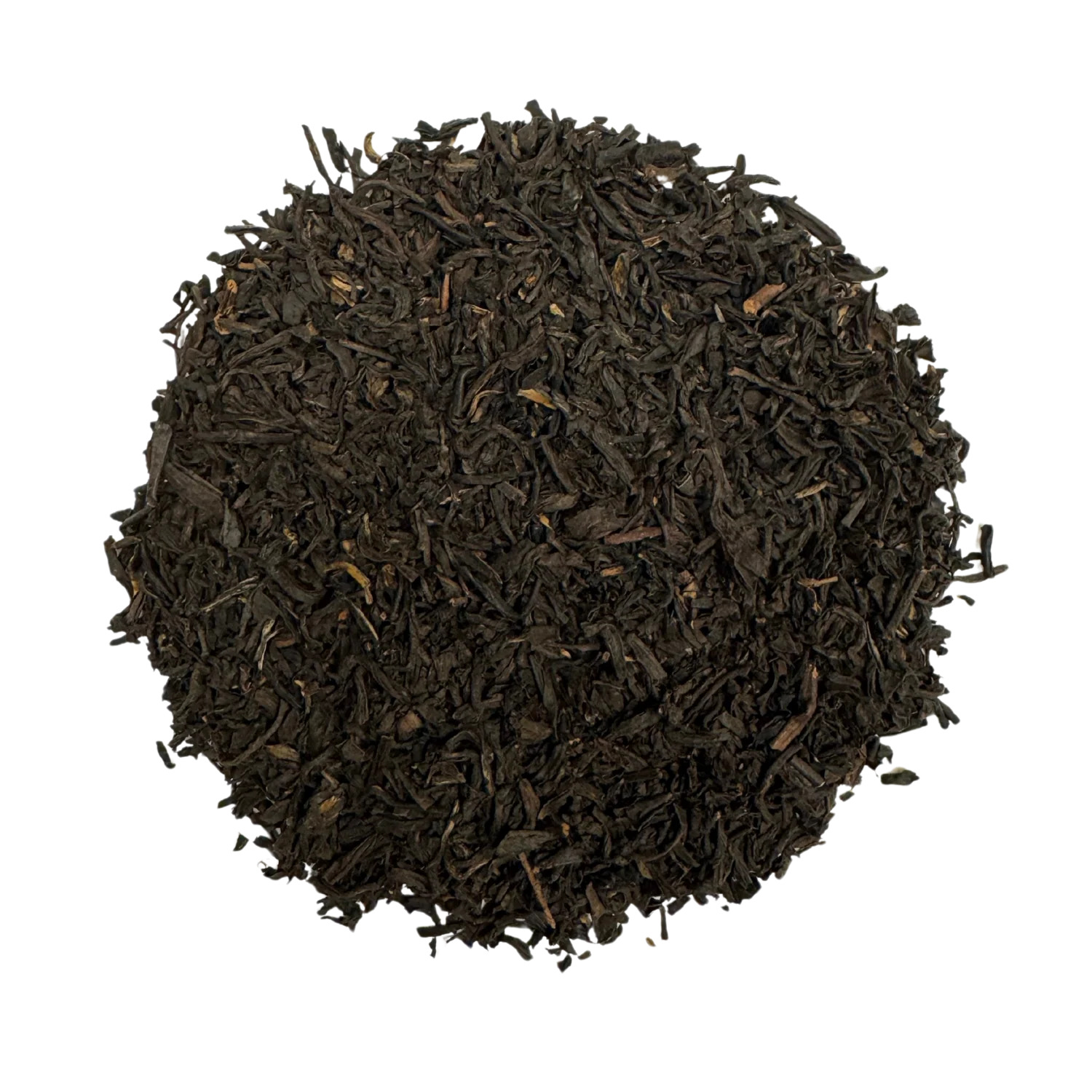
Bohea tea, (pronounced “Boo-hee” – Ukers 510), was by far the largest tea import during colonial times. Sometimes called Bohea Souchong or Lapsang Bohea, the blend originated in China with trade to the British and Dutch East India Companies. It was so popular that the word bohea became the slang term for tea. The blend
$4.00 - $12.00
 Tea and Herbs
Congou
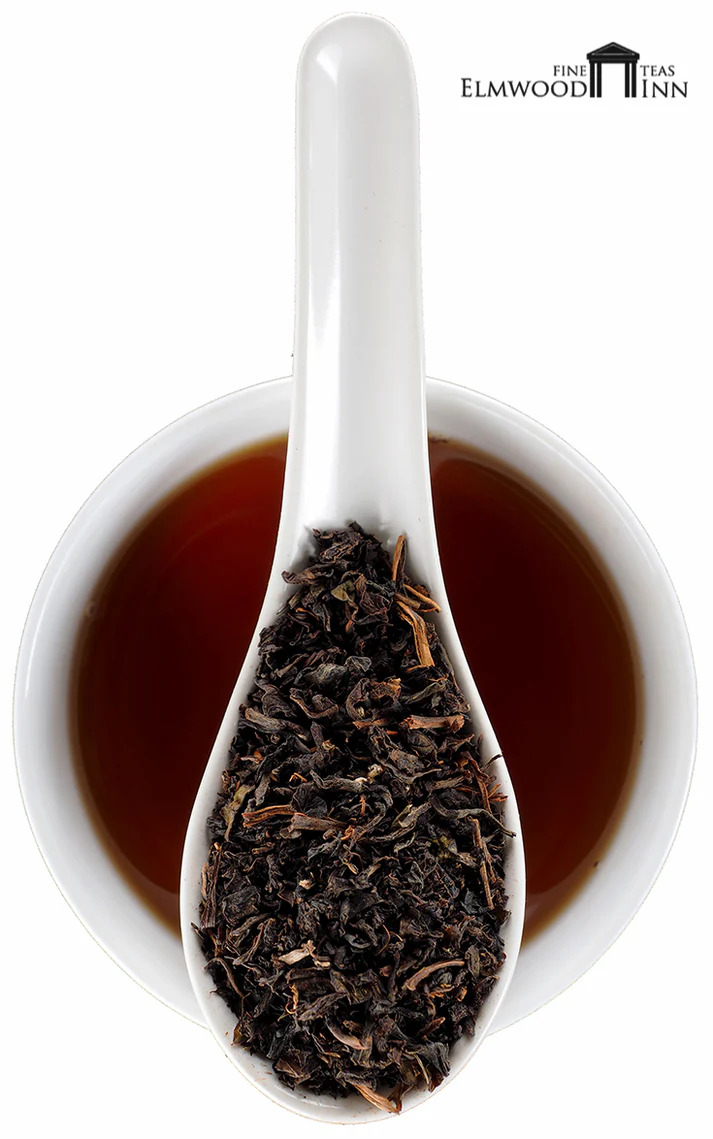
This Chinese black tea was one of the five teas tossed into Boston Harbor on December 16, 1773. Congou was made in a more disciplined manner than the common Bohea black tea and was higher priced. If you are a fan of China’s black teas, such as Keemun, you’ll appreciate this historic and delicious leaf. Brewing Instruct
$4.00 - $12.00
More like this
 Tea and Herbs
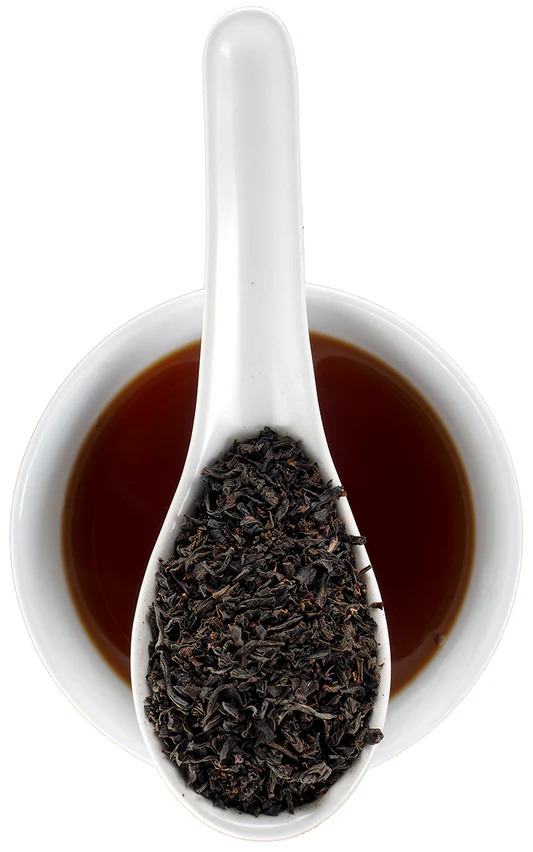
Abigail's Blend
This historic blend of black teas to be reminiscent of the Chinese black teas tossed overboard in 1773 by using teas from across the British Empire, including China, India, and Kenya. If you are a fan of English Breakfast blends – with or without milk – you will love this tea. It also makes a great iced tea. Let’s just
$4.00 - $12.00
 Tea and Herbs
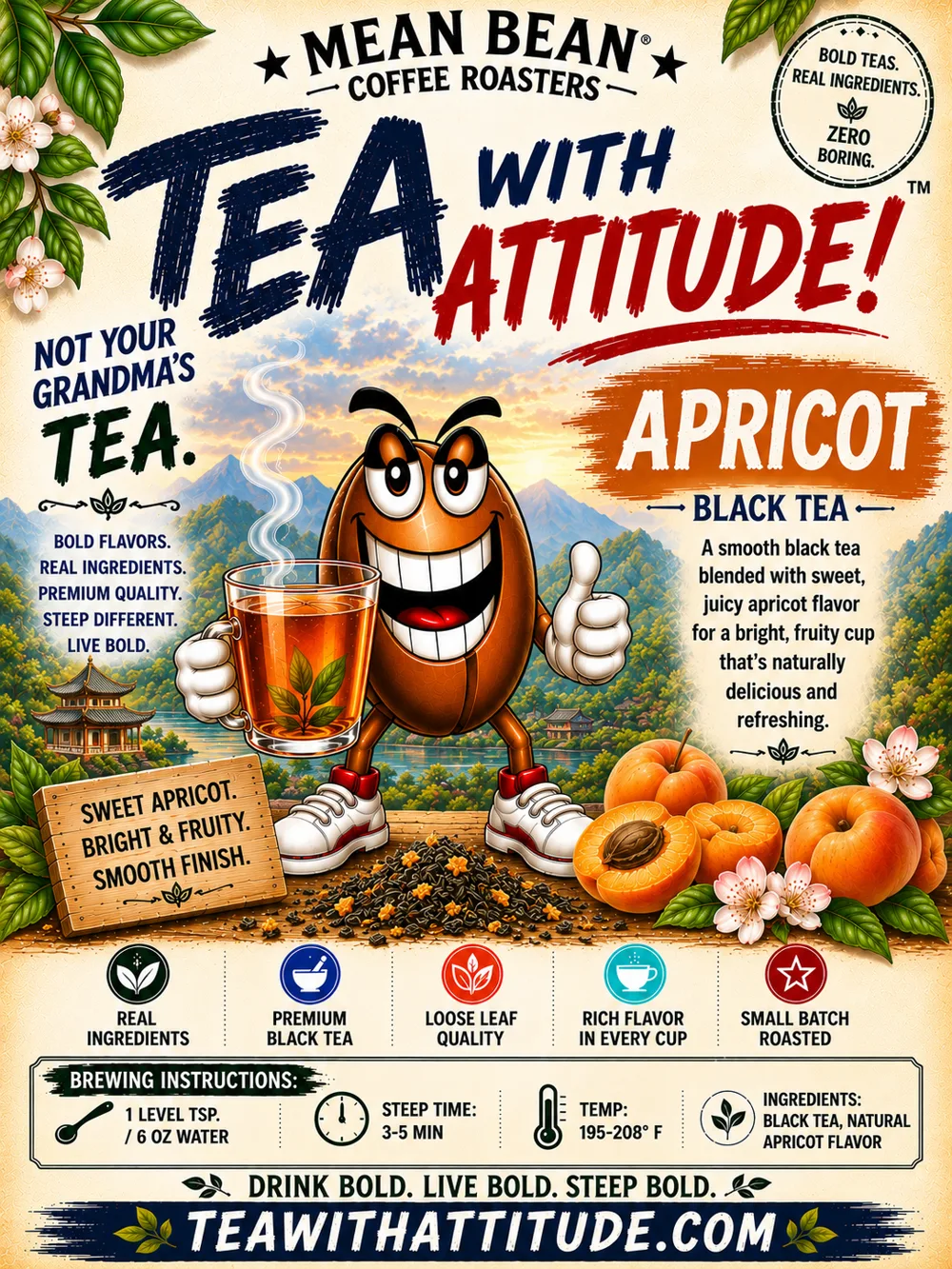
Apricot Black Tea
Imagine being whisked away to a beautiful fresh apricot orchard. The rich, sweet and elegant flavor of apricots is infused with our blend of black teas from Kenya, Ceylon, and Indonesia. Enhanced with dried blossoms that create a refreshing cup of tea. Delicious hot or over ice. Brewing Instructions:1 level tsp./6 oz s
$4.00 - $12.00
Tea and HerbsAssam CTC
This fast-steeping black tea from the organic Dinjoye Gardens in the Assam region of India is known around the world for its full-bodied flavor that combines well with milk. This grade is found in a host of English and Irish morning tea blends. Think of it as comfort food! CTC stands for Cut-Tear-Curl, a process invent
$4.00 - $12.00
 Tea and Herbs
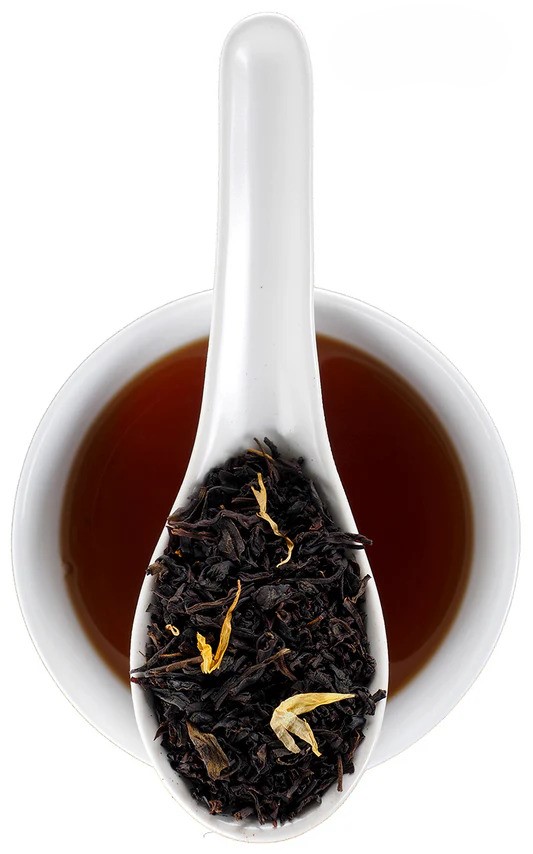
Bourbon
Inspired by Kentucky’s world-famous bourbon heritage, this blend marries bold Chinese Yunnan with smoky Lapsang Souchong to echo the complexity of charred oak barrels. Smooth notes of caramel and vanilla shine through, and while completely alcohol-free, each sip delivers the warmth, sweetness, and layered character bou
$4.00 - $12.00